Complete Guide to Visiting Merzouga, Morocco: Your Ultimate Sahara Desert Adventure
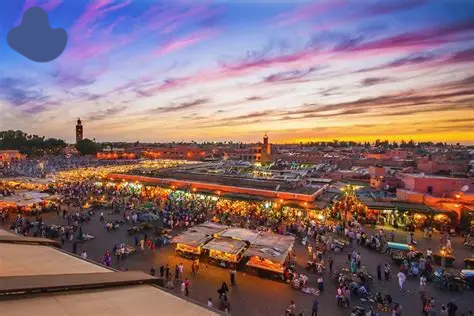
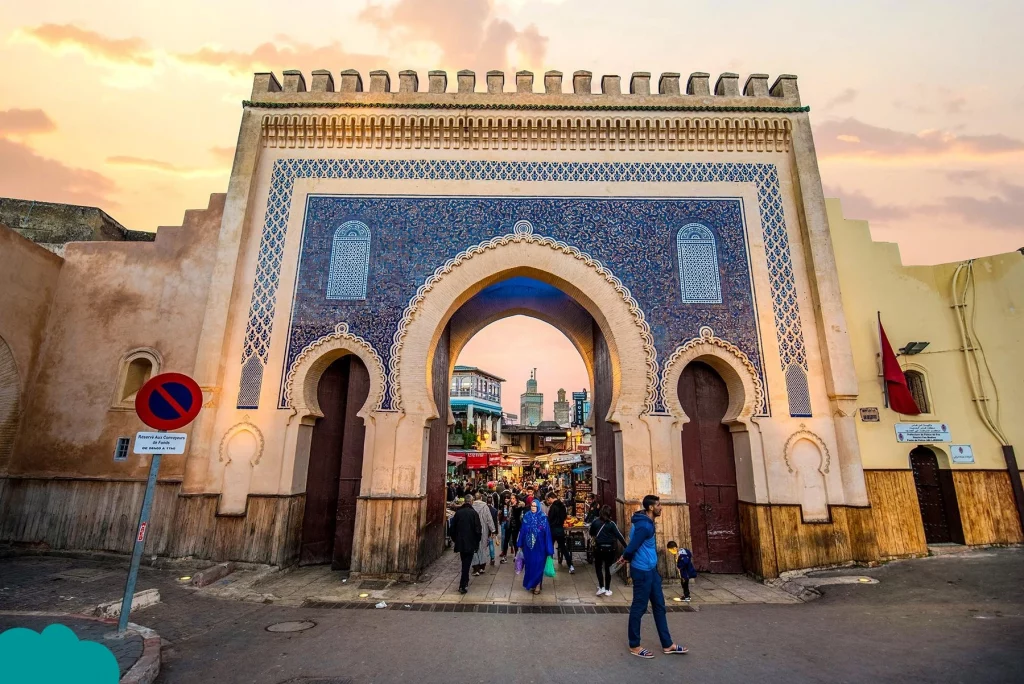
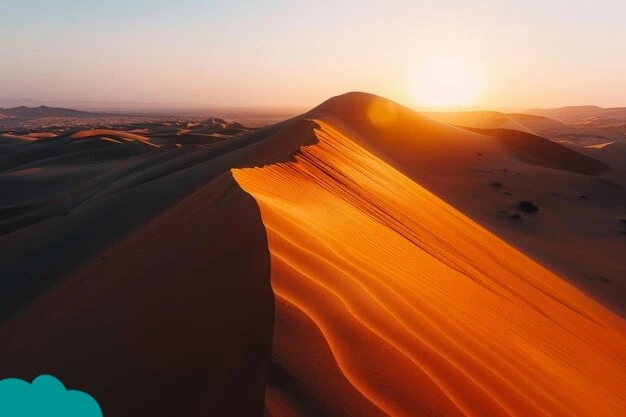
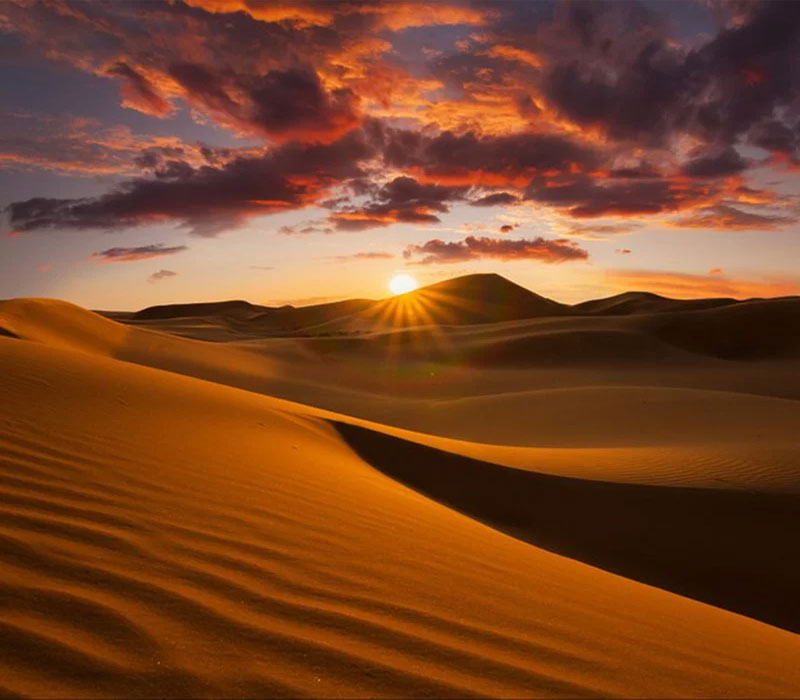
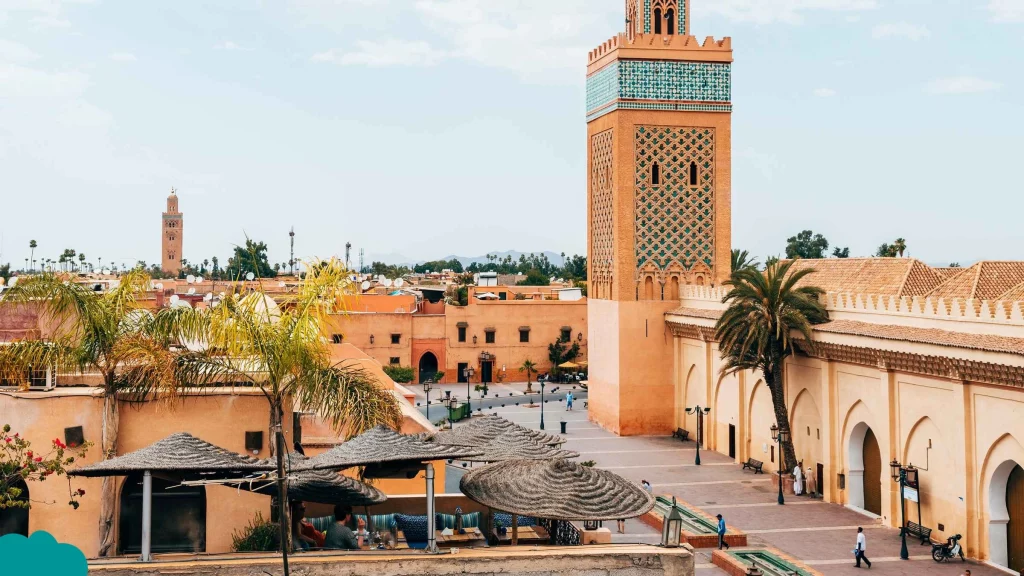
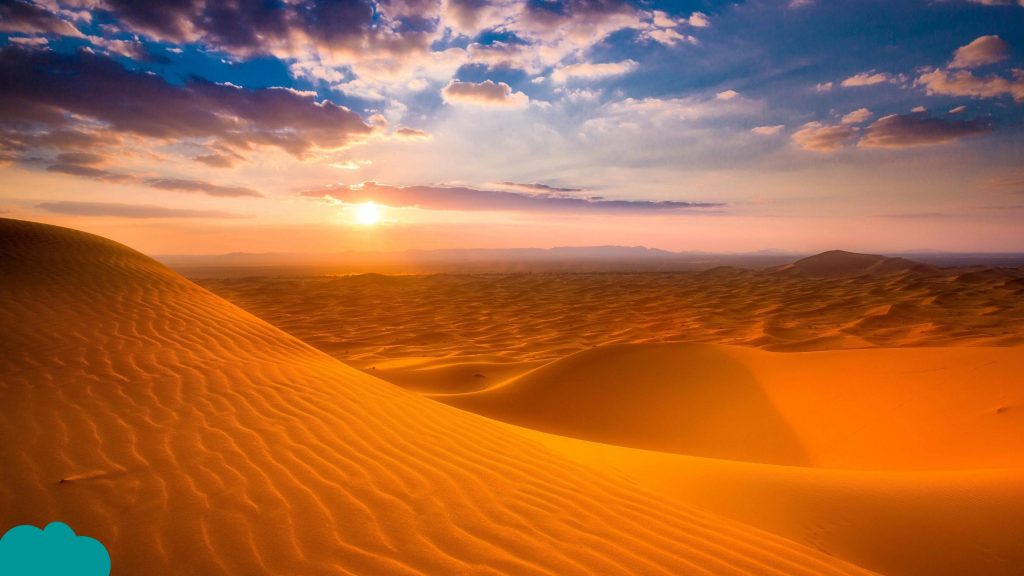
Imagine golden waves of sand stretching endlessly under a blazing sun, broken only by the distant hum of wind. That’s the Erg Chebbi dunes, right at Merzouga’s edge in Morocco. You leave behind the crowded markets of Marrakech or Fes, where vendors shout and spices fill the air. Here, silence rules, and stars light up the night like diamonds on black velvet. Merzouga serves as your key entry to this Sahara magic, perfect for camel rides at dawn or cozy campfires under the sky.
This guide walks you through everything for a smooth trip. You’ll learn how to reach Merzouga, what fun awaits in the dunes, where to sleep, and the best times to pack your bags. From practical travel tips to cultural nods, we cover it all so your Sahara Desert adventure in Merzouga feels seamless and full of wonder.
Getting to Merzouga: logistics and table planning
Merzouga sits deep in eastern Morocco, about 500 km from major spots. Plan your route early to avoid stress. Options range from easy buses to scenic drives that turn travel into part of the fun.
Traveling from major Moroccan cities (Marrakech & fez)
Start from Marrakech for a 9-10 hour drive southeast. Private drivers cost around 300-500 euros for the round trip, giving you flexibility to stop where you like. Organized tours bundle transport with dune activities, but they lock you into set schedules—great if you want zero hassle, less so if you crave freedom.
From Fes, it’s a bit shorter at 7-8 hours. CTM or Supratours buses run daily for about 20-30 euros one way, comfy with AC and stops for breaks. They drop you in Rissani, then a short taxi to Merzouga. Compare times: Marrakech feels longer due to mountain roads, while Fes offers flatter paths through palm groves.
If you’re flying in, land at Ouarzazate airport and hire a driver for the last leg. Always check road conditions; rain can close passes in winter.
The journey itself: scenic and stop
The drive from Marrakech crosses the High Atlas via Tizi n’Tichka pass, where hairpin turns reveal snow-capped peaks and Berber villages clinging to hillsides. Stop at Aït Benhaddou, a UNESCO mud-brick fortress straight from a movie set—wander its alleys for an hour or two. Later, detour to Todra Gorge near Tinghir, with towering red cliffs perfect for a quick hike.
From Fes, the route dips through cedar forests and the Middle Atlas, passing Ifrane’s Swiss-like charm. Break the trip into two days if driving; camp midway or stay in a kasbah hotel. This way, you soak in Morocco’s layers, not just rush to the sand.
Fuel up often—stations thin out past Errachidia. Pack snacks and water; the views beat boredom every time.
Arriving in Merzouga village
Merzouga village buzzes with low-key shops and tour outfits, but the real action hugs the dunes at Hassi Labied, 5 km north, or quiet Khamlia to the south. Taxis from Rissani bus stop cost 10-20 dirhams and wait for groups. Park your rental car at your hotel or camp; operators store them safely while you trek.
Most tours pick you up right from auberges in town. If solo, head to the main square to meet guides—look for licensed ones with clear prices. Settle in almost; the dunes call before sunset.
Unforgettable activities in the Erg Chebbi Dunes
The Erg Chebbi covers 50 square km of pure sand seas, shifting with winds into wild shapes. Your days here mix calm walks with heart-pounding rides. Pick what fits your vibe, from slow camel steps to speedy sand dashes.
The classic camel trek experience
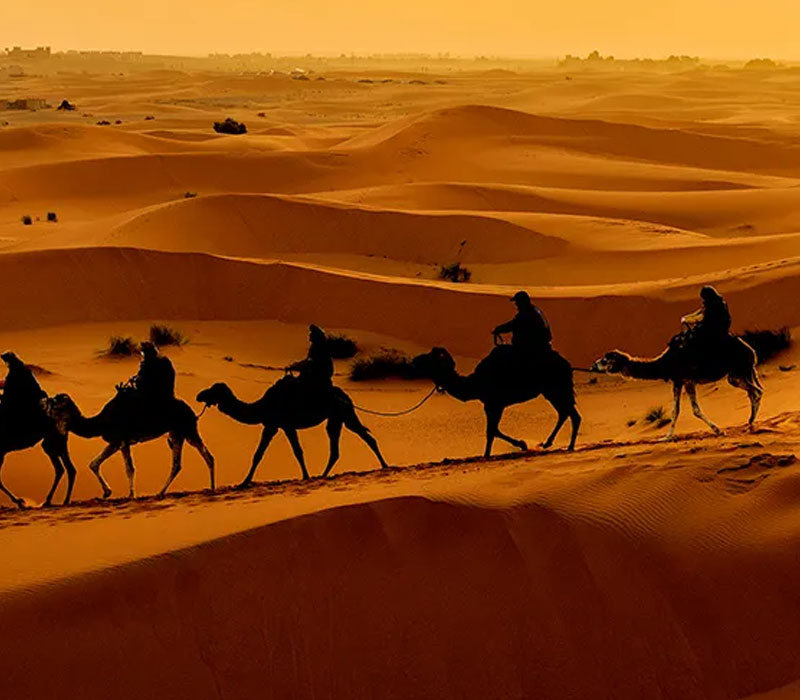
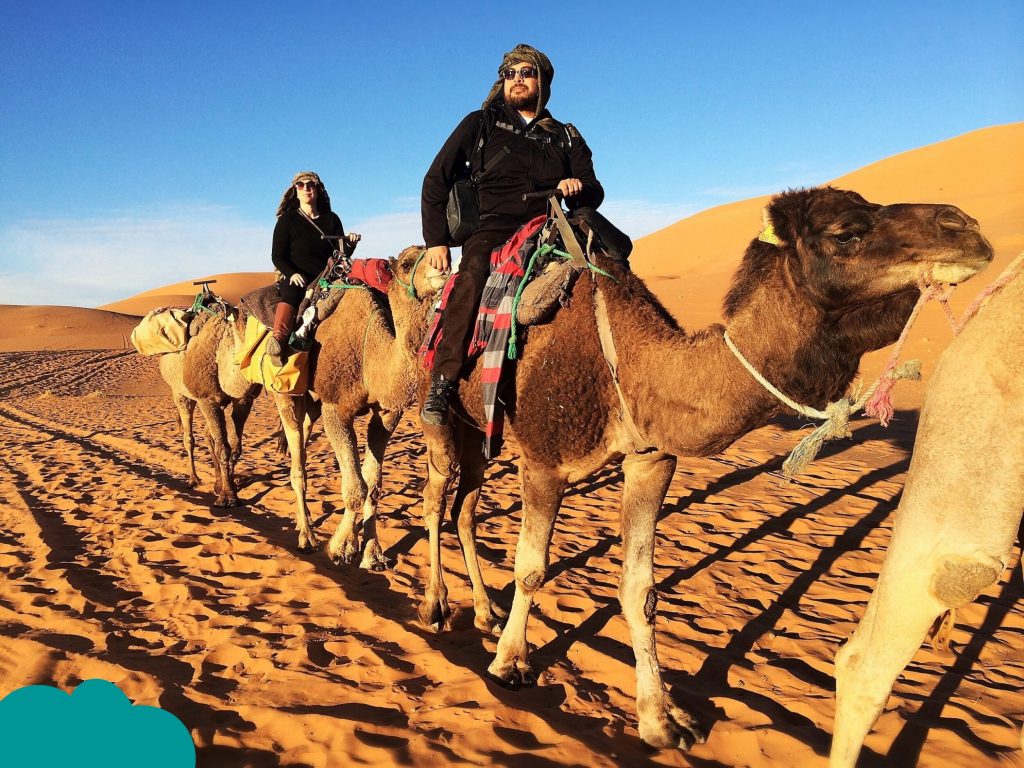
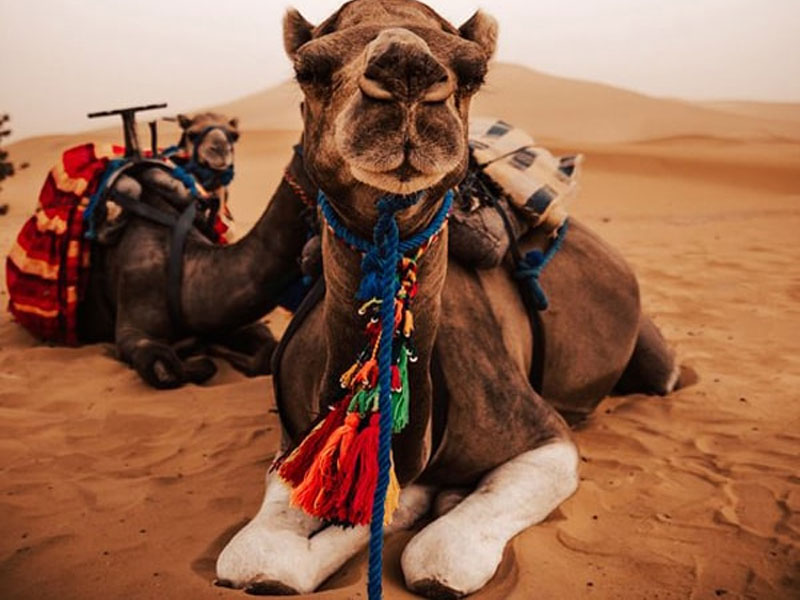
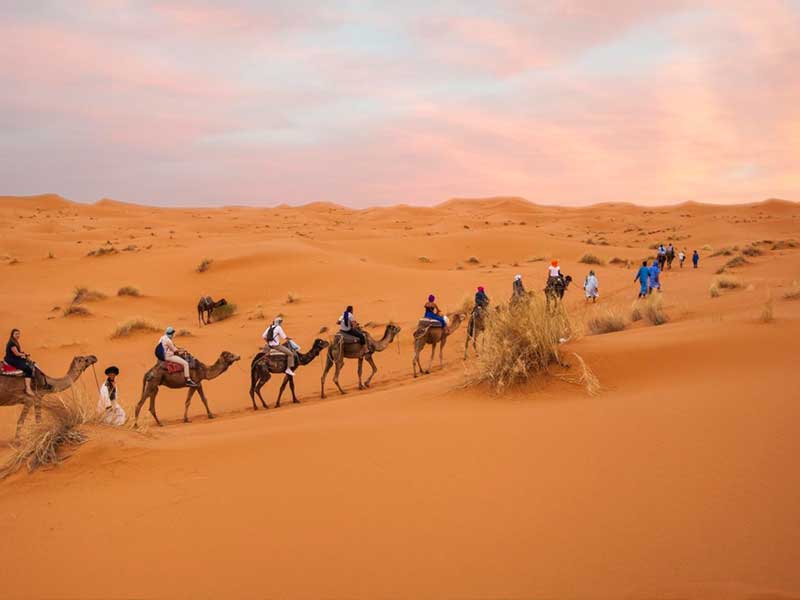
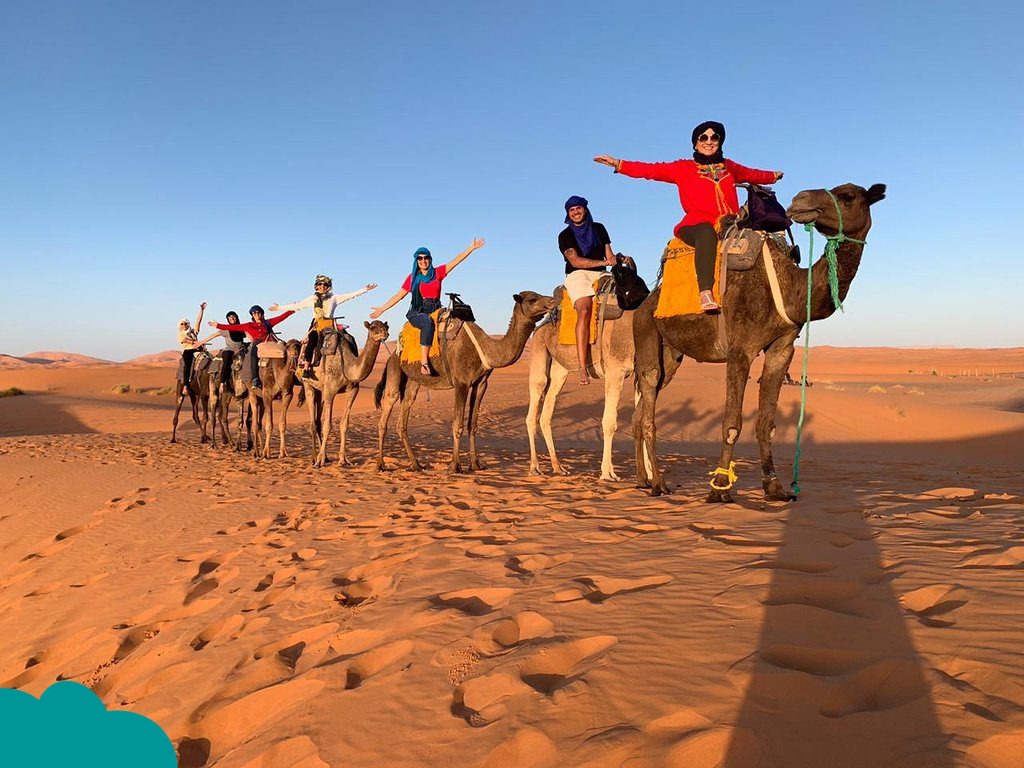
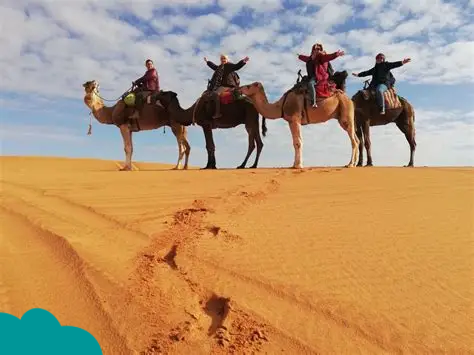
Nothing beats a camel trek into the dunes at Merzouga, Morocco’s Sahara gateway. Rides last 1-2 hours for sunset views, or overnight to wake at sunrise atop a dune. Camels plod steadily, their bells jingling softly; handlers share desert lore as you go.
Comfort comes from thick blankets on saddles, but expect a gentle sway. Go slow to spot lizards or fennec fox tracks. Choose ethical operators who treat camels well—water them often and avoid overloads. It’s a timeless way to feel the Sahara’s pulse.
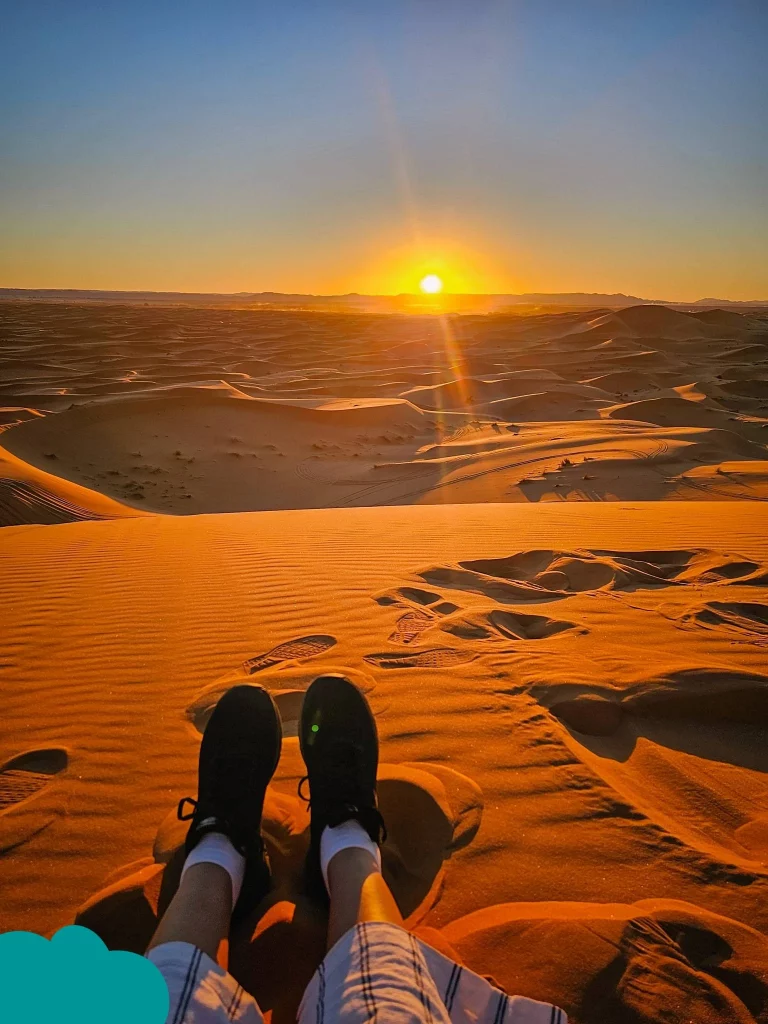
Sunrise treks glow orange; book one for that magic first light.
Thrills on the Sand: 4×4 and Sandboarding
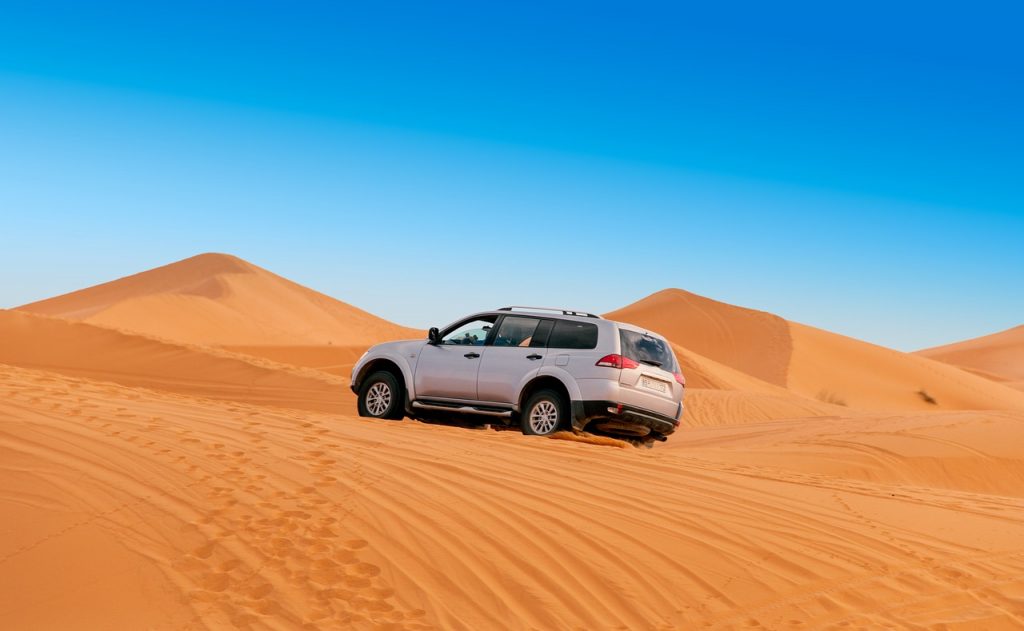
Rev up for 4×4 dune bashing, where drivers zoom up and down 150-meter hills in tough Toyota trucks. Trips run 30-60 minutes, splashing through dips that make your stomach flip. Hold tight—it’s like a rollercoaster on sand, with laughs echoing in the wind.
Sandboarding adds your own speed; rent boards for 50 dirhams near Merzouga camps. Strap in, bend knees, and glide down—start on small slopes to learn balance. Guides show tricks, like shifting weight to turn.
Combine both for a full thrill day; mornings beat the heat.
Exploring Berber Culture in Nearby Villages
Step off the dunes to Khamlia, a 15-minute drive south, home to Berber and Gnawa folks. Watch live Gnawa music shows—drums and iron castanets tell tales of healing and spirits; UNESCO nods to its roots in sub-Saharan rhythms. Join a session in a mud home, sip mint tea, and chat with musicians.
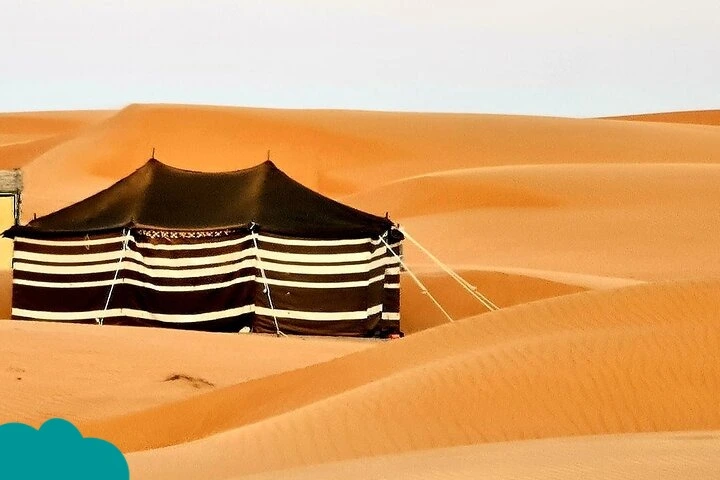
Visit fossil shops in Alnif, 40 km away, where locals craft jewelry from ancient sea finds—Morocco’s desert hides ocean history from 400 million years back. Or tour nomadic camps to see goat-hair tents and learn tagine cooking over fire.
These spots ground your trip in real life, away from tourist paths.
Choosing Your Desert Accommodation: From Luxury to Traditional
Sleep options range from plush tents to simple riads. Book via sites like Booking.com or direct for deals. Think about your comfort level—sand gets everywhere, but the stars make up for it.
Luxury Desert Camps (Glamping Options)
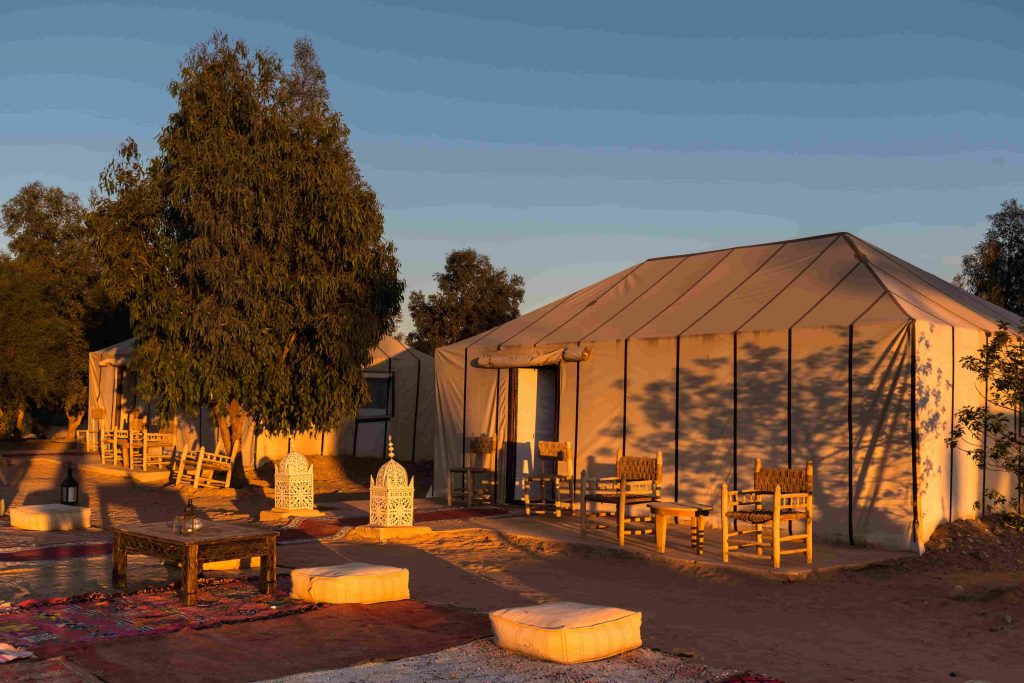
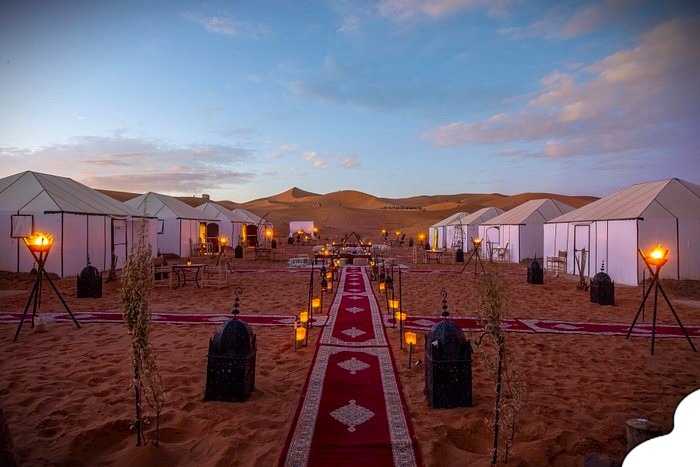
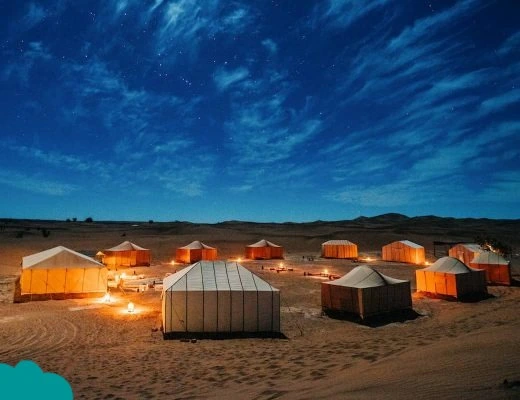
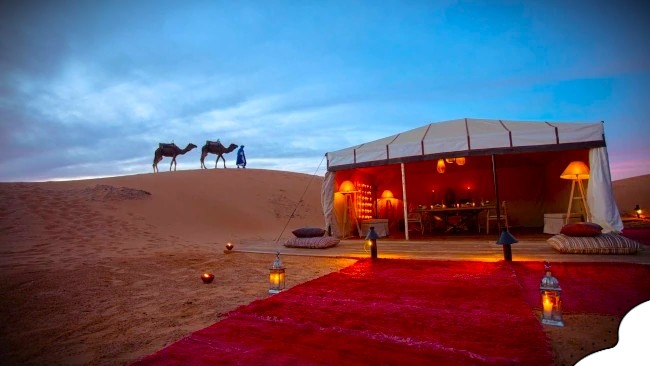
High-end camps like those at Panorama or Merzouga Luxury offer private tents with en-suite bathrooms and king beds draped in silks. Dinners feature lamb tagines under lantern light, paired with wine. Wake to breakfast views of endless dunes.
These spots spoil you with hot showers and generators for phone charges. Peak season fills fast—reserve 3-6 months ahead, especially October to April. Prices start at 150 euros per night, worth it for the romance.
It’s glamping, not roughing it; perfect for first-timers.
Standard and Budget-Friendly Overnight Stays
Standard camps share bathrooms and dine family-style around bonfires, costing 50-80 euros. You bond with other travelers, sharing stories of the day’s rides. Basic but clean, with Berber hosts cooking fresh bread.
For walls over tents, try auberges in Merzouga town like Dar Chebbi—rooftop terraces overlook the sand, rooms from 30 euros. Better for light sleepers afraid of wind howls. Both let you join dune trips easy.
Mix it up: night in camp, day in town.
Essential Packing List for Desert Overnight Stays
Pack light but smart for Merzouga’s swings.
Layers: T-shirts, hoodies, and a fleece jacket—days hit 30°C, nights drop to 5°C.
Head scarf or hat: Blocks sand blasts and fierce sun.
Sunscreen and lip balm: SPF 50+; desert UV bites hard.
Sturdy closed shoes: For dune walks; flip-flops fail on sand.
Reusable water bottle: Stay hydrated; camps provide refills.
Extra camera batteries: No outlets in deep desert; stars demand shots.
Flashlight and power bank: Nights go pitch black.
Don’t forget toiletries and any meds—pharmacies are far.
When to Visit Merzouga: Climate and Seasonal Considerations
Timing shapes your comfort in this extreme spot. Winds carve dunes year-round, but weather decides if you roast or freeze. Aim for mild months to hike without sweat or shivers.
The Best Time to Go: Autumn and Spring
October to November brings 20-25°C days, cool for treks and warm sleeps. Spring, March to May, mirrors that—flowers dot the edges, birds migrate over dunes. Fewer bugs, clear skies for stargazing.
These windows suit most; sand stays firm, not too hot for camels. Crowds thin, prices drop 20-30%. If you love quiet, pick weekdays.
Pack a light jacket; evenings chill quick.
Dealing with the Summer Heat and Winter Chill
Summer, June to August, scorches over 40°C daytime—treks turn brutal, camps swelter. Stick to early mornings or nights; many operators pause midday. Hydrate double, or skip it.
Winter, December to February, dips below 0°C at night, but days hover 15-20°C. Dunes frost over, rare snow dusts peaks—magical but cold. Bring thermals; some camps add heaters.
Rain’s scarce, but flash floods hit gorges—check forecasts.
Navigating Peak Season Crowds
Peak hits December to March, plus Easter and Ramadan breaks—Europeans flock, camps book solid, prices jump 50%. Marrakech holidays add locals too. Go early or late to dodge lines at dune starts.
Shoulder seasons balance nice weather with space. Book transport ahead anyway; buses fill. Crowds mean more energy, but quiet seekers pick off-peak.
Beyond the Dunes: Essential Tips for a Successful Trip
Small habits make big differences out here. Respect the land and people for a trip you’ll cherish. We’ve got your back with key advice.
Essential Safety and Health Advice in the Desert
Drink 3-4 liters of water daily; dehydration sneaks up fast in dry air. Dust irritates lungs—wear a scarf over your face on windy days. Carry a basic kit: bandages, pain pills, and allergy meds for scorpion stings, though rare.
Stick with your guide on off-road jaunts; getting lost in dunes spells trouble. No solo night walks—foxes and cold are risks. If sick, head to Errachidia hospital, 80 km away.
Sunburn hits quick; reapply lotion often.
Cultural Etiquette and Interacting with Locals
Dress modest outside camps—cover shoulders and knees to honor Berber ways. Women might want long skirts; it earns smiles. Tip guides 10-20 dirhams per day, more for extras like photos.
Ask before snapping pics of people; a small gift like candy works. Eat with your right hand; left’s for hygiene. Say “salaam alaikum” to greet—it opens doors.
Locals love sharing tea; accept the offer.
Connecting and Communicating
Mobile signal fades in deep dunes—use it in Merzouga town for WhatsApp or maps. Camps offer spotty Wi-Fi; don’t count on emails. Solar chargers help keep devices alive.
Most operators speak basic English, some French—point and smile fills gaps. Download offline Google Translate for Arabic or Berber phrases. It smooths haggling at shops.
Stay present; the desert’s better without screens.
Conclusion: Making Your Merzouga Desert Dream a Reality
You’ve got the roadmap now: plot your route from Marrakech or Fes, book that camel trek, and pick a camp that fits. Prep for hot days and cold nights, weave in Khamlia’s rhythms, and follow safety cues. Early planning beats surprises every time.
Don’t wait—the Sahara via Merzouga changes you, with dunes that whisper ancient secrets. Grab your scarf, book now, and step into this golden world. Your adventure awaits.