The Ephemeral Magic: Book Your Draa Valley Almond Blossom Camel Trek in February
Imagine the endless golden dunes of Morocco’s Draa Valley, cracked and dry under a fierce sun. Then, in a blink, white and pink petals burst from almond trees like a soft snowfall on barren land. This magic hits only in February, a short burst that draws few but leaves deep marks on those who see it.
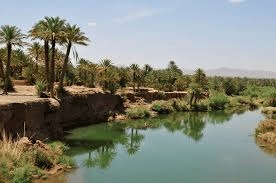
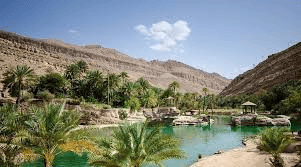
The Draa Valley stretches as Morocco’s longest river valley, lined with tall date palms and old stone kasbahs that whisper tales of Berber life. Here, almond blossoms turn the harsh desert into a painter’s dream, perfect for photos and quiet walks. But this show lasts just weeks, making it a rare gem for travelers.
This guide walks you through booking and enjoying your Draa Valley almond blossom camel trek in February. You’ll learn why this month stands out, how to plan the best route, and tips to make it unforgettable. Get ready to chase this fleeting wonder before it fades.
Why february is the only time to experience the Draa Valley Almonds
The Micro-Season Phenomenon
Almond trees in the Draa Valley need cool winter nights to build up “chilling hours,” then a quick warm-up in late January sparks their flowers. Without those exact shifts, no blooms appear. Nature sets a tight clock here, so the show peaks for 10 to 14 days, often starting mid-February.
You must book early because spots fill fast. Local guides track the weather closely, but one rainy spell can cut the window short. Think of it as nature’s flash sale—miss it, and you wait a full year.
This timing ties into the valley’s rhythm. Berber farmers count on these blooms for a strong harvest later. Your trek supports that cycle if you choose operators who give back to the land.
Contrast with Peak Tourist Season
February brings cool air, around 60 to 70 degrees by day, with empty trails that let you soak in the views. No crowds push you along; it’s just you, your camel, and the petals. Compare that to spring or fall, when heat climbs past 90 degrees and tour groups swarm the paths.
The quiet lets you chat with locals without rush. You hear stories of old trade routes under blooming branches. It’s raw and real, far from the busy vibe of high season.
Plus, the light in February flatters the blossoms best. Soft morning sun casts gentle shadows on white flowers against red earth. Hotter months wash out that contrast, stealing the photo magic.
The Environmental Impact of the Bloom
Almonds feed Draa Valley families, with Berber communities harvesting tons each year to sell nuts and oil. The bloom signals hope after dry spells, boosting local pride. Your visit can help if tours hire from these villages and avoid crowded spots.
Sustainable practices matter here. Good operators stick to marked paths to protect fragile roots. They teach you about water use in this thirsty land, tying your adventure to real care.
Blossoms draw bees too, key for the whole ecosystem. By trekking lightly, you aid pollination and keep the valley green. It’s a small step that echoes big in Berber life.
Experience Crafting ultimate Daraa Valley camel trek
Duration and Pacing for Blossom Viewing
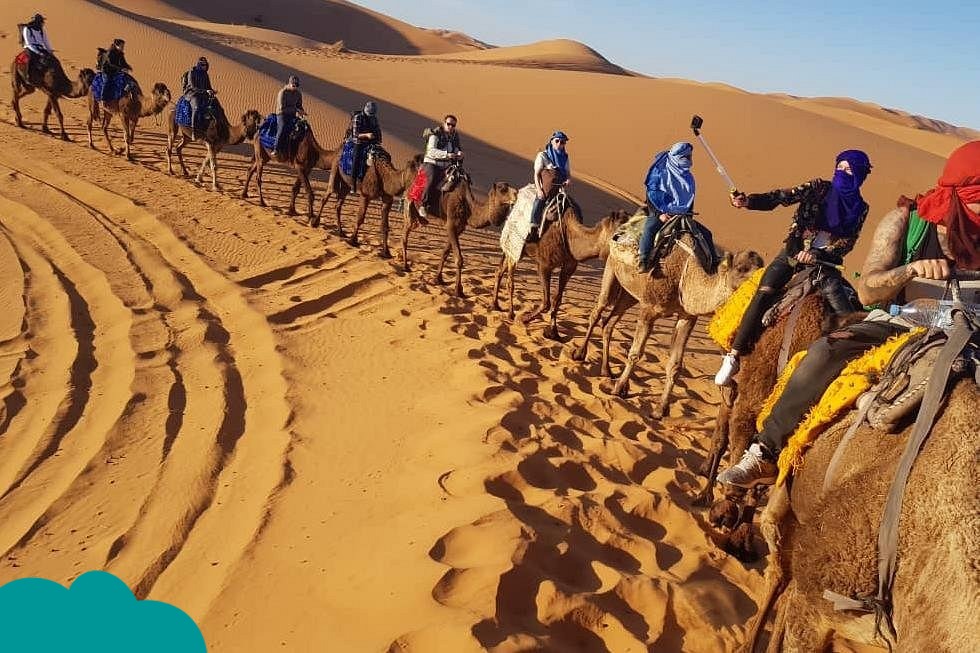
Pick a 3-day trek if you’re short on time; it hits key groves near Agdz with time to linger. For deeper dives, go 5 days to reach Zagora’s thicker clusters along the river. Shorter trips rush the beauty, while longer ones let blooms unfold slowly.
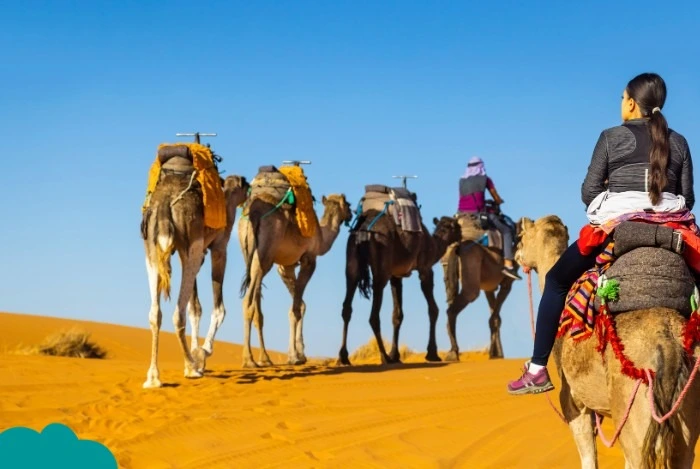
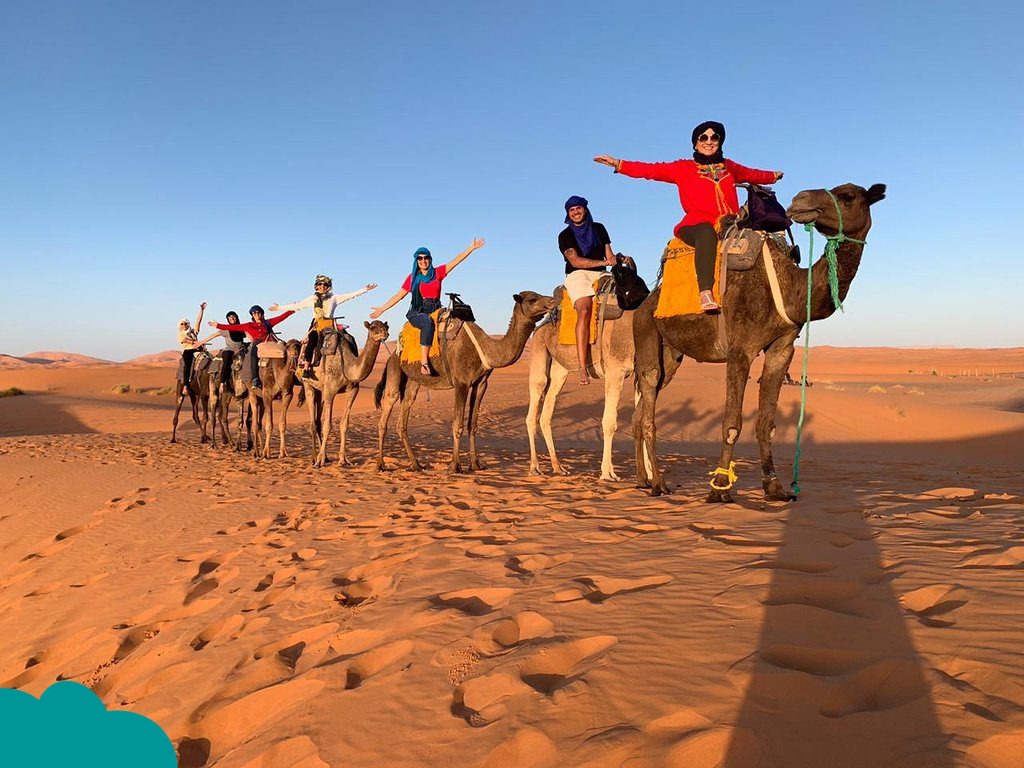
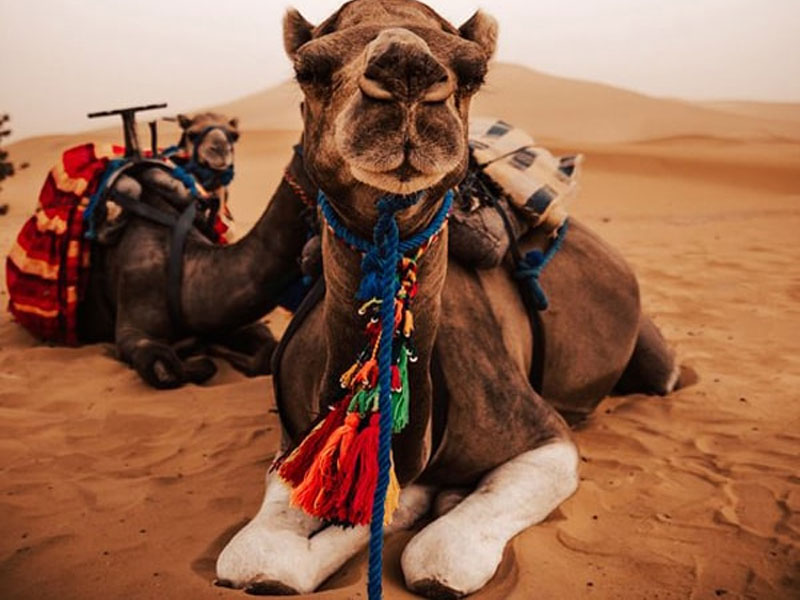
Plan stops under the trees for lunch. Camels plod at a steady pace, so build in hours to sit and watch petals drift. This beats speed-walking routes that skip the heart.
Tailor to weather—February mornings stay crisp, so start early. Guides adjust for bloom spots, ensuring you catch the densest displays. It’s about savoring, not covering miles.
Essential Camel Trek Inclusions
Every solid trek needs a certified Berber guide who spots hidden orchards from years on these sands. They share lore about trees planted by ancestors. Without one, you miss the best views.
Pack in desert tents built for February chill, with thick wool blankets and stoves for hot tea at night. Meals come from local spots—fresh tagines with veggies grown nearby. Skip outfits without these; comfort turns the trip golden.
Guides know old groves with trees over 100 years, heavy with flowers. Insist on that detail when booking. It makes your camel trek a true blossom hunt.
Accommodation Style: Traditional vs. Luxury Camping
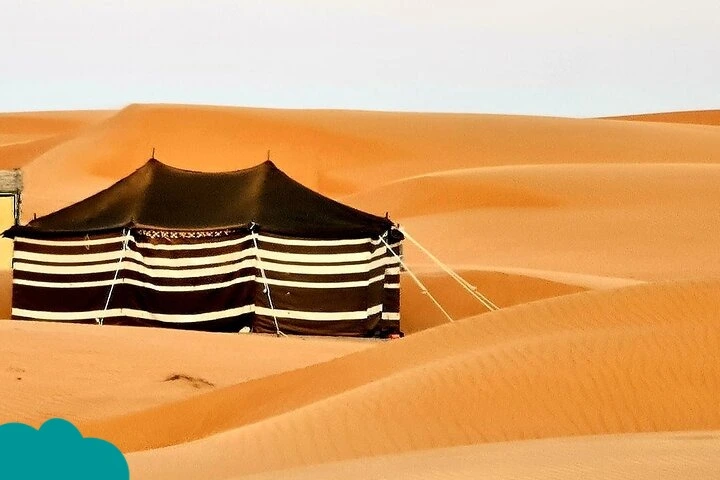
Traditional bivouacs use low nomad tents from goat hair, simple and close to the ground like Berber families pitch. You sleep on rugs under stars, hearing camels snort nearby. It’s basic but bonds you to the desert pulse.
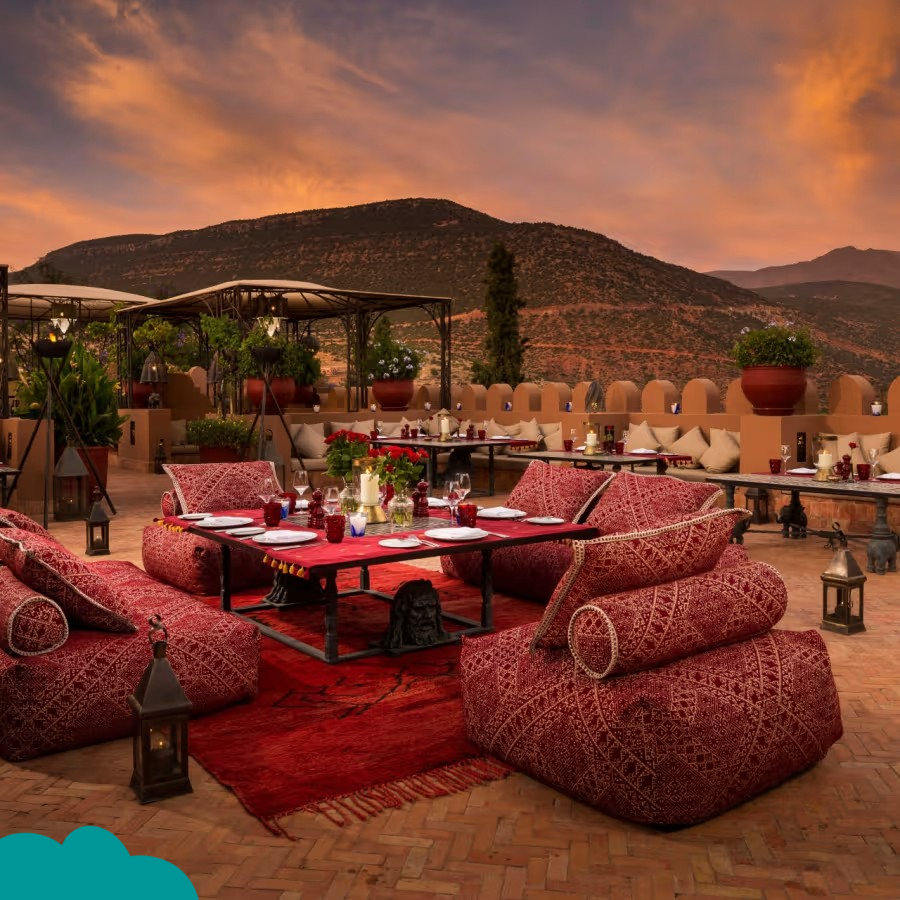
Luxury glamping ups it with canvas tents on frames, real beds, and solar lights. Some spots add private baths and down pillows for February’s cool nights. Choose based on your vibe—rough or refined.
Both work well in the valley. Traditional saves cash and feels authentic; glamping eases first-timers. Either way, wake to blossom views that beat any hotel.
Experience Preparing for your february desert camel adventure
Packing Essentials for Transitional Weather
February days warm quick, but nights dip to 40 degrees, so layer smart. Start with a thermal shirt and fleece, topped by a light jacket. Add gloves for early rides.
Sun hits hard even in cool air—pack SPF 50 lotion and a wide hat. Sturdy boots with good tread handle sandy paths without blisters. Don’t forget a scarf to block dust.
Water bottle clips to your saddle; sip often. Quick-dry pants keep you comfy on long sits. Test your pack at home to avoid surprises.
Photography Gear for Maximum Impact
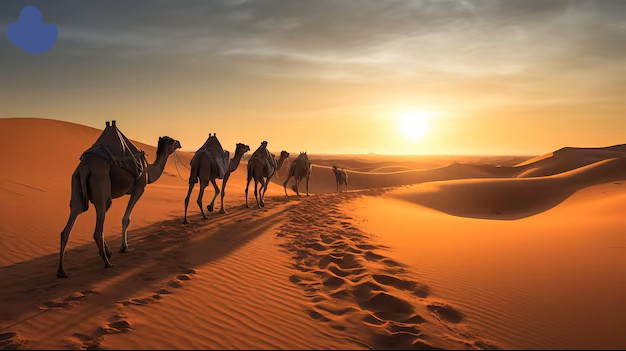
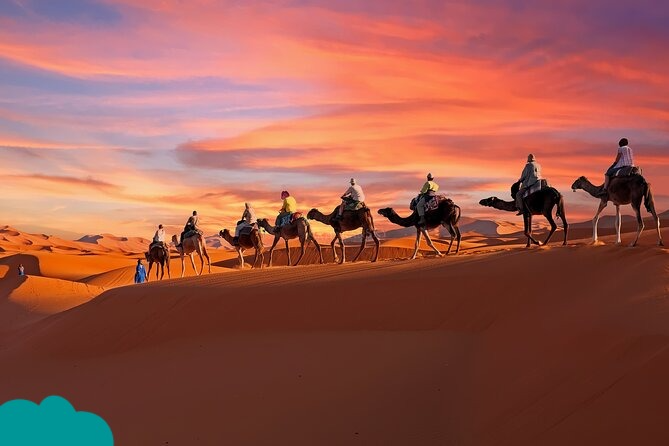
Grab a DSLR or phone with good zoom to catch blossoms up close against ochre walls. February light glows soft at dawn, perfect for contrasts. Shoot wide to frame camels under pink clouds.
Use a tripod for steady dusk shots when shadows play long. Experiment with angles—low to the ground mimics camel eye level. It pulls viewers into the scene.
Edit later with apps to boost whites without losing earth tones. Share tips from guides on best bloom angles. Your shots could star in travel feeds.
Health and Safety Considerations
Dry air pulls moisture fast, so drink two liters daily despite the chill. Carry electrolyte packs to stay sharp. Basic meds like pain relievers cover twists on uneven ground.
Guides carry first-aid kits with bandages and antiseptics. Tell them about allergies before starting. Remote spots mean self-reliance, but pros handle most issues.
Rest if wind kicks up sand. Eyes and lungs thank you. Safe prep lets joy take center stage.
Booking strategy : Securing your spot for the almond bloom
Lead Time and Demand Forecasting
Operators limit groups to 10 for this niche, so book 6 to 9 months ahead for February 2026. Demand spikes as word spreads online. Wait too long, and prime dates vanish.
Check calendars now—mid-month often peaks. Flexible dates help if blooms shift a bit. Early birds get custom paths to secret groves.
Local firms fill from word-of-mouth, not big ads. Act fast to lock in your Draa Valley almond blossom camel trek.
Vetting Operators for Authenticity and Safety
Look for companies that hire Berber locals and stress green travel. Read reviews from February trips, not just summer ones. True outfits share photos of real blooms.
Ask if they confirm flowering routes upfront. Safety means insured camels and emergency plans. Skip anyone vague on details.
Top picks often partner with valley co-ops. That ensures fair pay and real stories. Your trek supports the heart of Morocco.
Cost Considerations for the Micro-Season Trek
Expect $800 to $1,500 for a 3-day trip, covering guides and gear. February adds a bit for expert timing, but it’s cheaper than peak summer. Value shines in the views.
Longer hauls cost more but pack in extras like private cooks. Budget for tips—$10 a day per guide shows thanks. Compare quotes, but don’t chase the lowest.
Hidden fees pop up sometimes, like gear rental. Clarify all upfront. It’s worth it for that petal magic.
Beyond the bloom : Enhancing your Draa Valley experience
Post-Trek Exploration in the Draa Oasis
After your camel trek, head to Aït Benhaddou, a mud-brick UNESCO gem just outside the valley. Wander its towers and imagine movie scenes shot there. It’s a cool wind-down from desert days.
Stop at pottery shops in Agdz for hands-on demos. Locals shape clay from river mud into bold patterns. Buy a piece to hold the trip’s feel.
These spots tie your adventure to history. Easy drives make them fit right after.
Cultural Immersion: Learning About Almond Cultivation
Join a farm visit to see Berbers tend young trees during bloom. They explain grafting tricks passed down generations. It’s hands-on insight into their yearly rhythm.
Taste fresh almonds roasted over fire, a post-bloom treat. Chat about challenges like water scarcity. It deepens respect for the land.
Co-ops welcome small groups; book through your trek guide. This adds heart to your photos.
Conclusion: Seize the Fleeting Beauty of the Draa Blossom
The Draa Valley almond blossom camel trek in February offers a rare mix of quiet beauty and deep culture, but only for a brief window. You’ve got tips on why this month rules, how to plan routes, pack right, and book smart. Don’t let crowds or heat steal your chance—those petals wait for no one.
Key points stick: Book early to secure your spot, vet guides for access to the most authentic groves, and layer up for those cool desert nights. Prep your gear for stunning shots and safe steps, then extend your journey to the surrounding oases for the full flavor of the Draa Valley.
Act now—contact a trusted operator and claim your trek. This Moroccan wonder vanishes fast, but memories last forever. Your desert story starts today.