
Morocco Most Iconic Dishes Explained: A Delicious Journey Through Moroccan Cuisine
Moroccan cuisine is a vibrant tapestry of flavors, aromas, and traditions, celebrated worldwide for its unique blend of spices, fresh ingredients, and culinary artistry. From bustling medinas to tranquil riads, the scents of cumin, cinnamon, saffron, and preserved lemons fill the air, inviting locals and travelers alike to experience something truly unforgettable.
For anyone curious about Morocco’s rich gastronomic heritage, exploring its dishes is like taking a journey through the country’s history, culture, and diverse landscapes. Each region offers something special, whether it’s the coastal seafood of Tangier, the spice-filled stews of Marrakech, or the sweet pastries of Fes.
In this guide, we will explore Morocco Most Iconic Dishes, breaking down their ingredients, preparation methods, and the stories behind them. Whether you are planning a trip to Morocco, want to recreate traditional dishes at home, or simply enjoy learning about global cuisines, this article will introduce you to the flavors that have made Moroccan food a worldwide favorite.
By the end, you’ll understand not just what these dishes are, but why they are celebrated as staples of Moroccan culture—and where you can taste them in their authentic form.
Moroccan Staples and Flavors
To truly apply Morocco Most Iconic Dishes, it’s essential to understand the ingredients and flavors that form the backbone of Moroccan cuisine. Moroccan food is a symphony of colors, aromas, and tastes, shaped by centuries of cultural influences—from Berber and Arab to Mediterranean and French traditions.
Key Ingredients:
Spices: Moroccan cuisine is renowned for its gold spices. Cumin, peppers, saffron, cinnamon, ginger, and toweric are used to create complex, layered flavors. Ras el hanout, a secret blend of spices unique to each family or chef, is a hallmark of Moroccan cooking.
Autumn: Fresh cilantro, parsley, and mint add brightness and fragrance to many dishes. Mint, in particular, is also central to Morocco’s famous tea culture.
Citrus & Preserved Ingredients: Preserved lemons, olives, and dried fruits like apricots and prunes bring a sweet-and-sour balance to tagines and couscous dishes.
Grains & Legumes: Couscous, barley, lentils, and chickpeas are staples, forming the base of many meals.
Proteins: Lamb, chicken, beef, fish, and occasionally pigeon or seafood dominate Moroccan dishes, often slow-cooked to develop rich flavors.
Cooking Techniques:
Slow Cooking in a Tagine: Many of Morocco’s iconic dishes are simmered in a tagine, a conical clay pot that traps steam and allows flavors to meld.
Steaming & Braising: Couscous is traditionally steamed multiple times for a fluffy texture, while meats are often braised with spices, herbs, and vegetables.
Grilling: In coastal cities, grilling fish and meals over open flames is common, highlighting the fresh flavors of local ingredients.
These staples are the foundation for Morocco Most Iconic Dishes, providing a balance of sweet, savory, and aromatic notes that make Moroccan cuisine unforgettable. Understanding these ingredients and techniques allows both travelers and home cookies to appreciate the depth of flavor and tradition behind each dish.
Iconic Moroccan Dishes
Exploring Morocco Most Iconic Dishes means diving into a culinary world where tradition, flavor, and culture come together on every plate. Here are the dishes you absolutely cannot miss:
1. Tagine
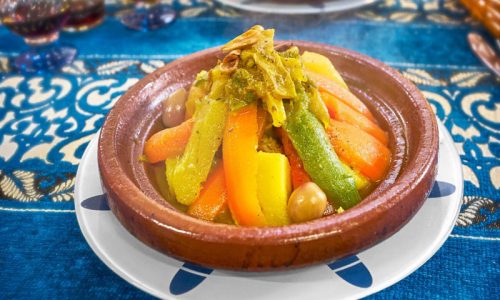
Tagine is perhaps the most famous Moroccan dish, named after the unique conical clay pot in which it is cooked. This slow-cooked stew allows meat, vegetables, and spices to report together, creating a rich and aromatic flavor.
Popular varieties: Chicken with preserved lemons and olives, lamb with prunes and almonds, and vegetable days.
Cultural significance: Tagines are often prepared for family gatherings or special occasions and are a symbol of Moroccan hospitality.
Where to try: Traditional restaurants in Marrakech or family homes in the Atlas Mountains offer the most authentic experience.
2. Couscous
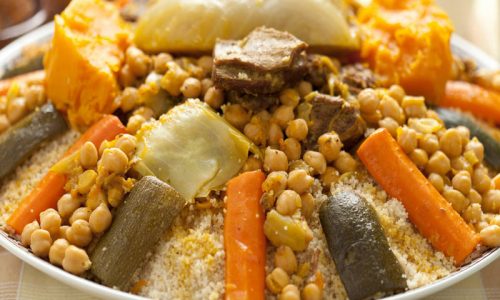
Couscous is Morocco’s stack grain dish, traditionally prepared by steaming semolina multiple times to achieve a fluffy, light texture.
Ingredients: Semolina grains, a mix of seasonal vegetables (carrots, zucchini, pumpkin), chickpeas, and slow-cooked meals like lamb or chicken. Spices include saffron, cumin, and Ras el hanout.
Cultural Importance: Couscous is traditionally eaten on Fridays as a family meal. It symbolizes community and togetherness.
Variations: In coastal cities, couscous may include fish or seafood, while southern regions may add dried fruits and nuts for a rich flavor.
3. Pastilla (Bastilla)
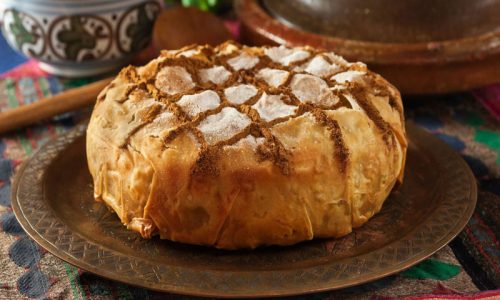
Pastilla is a royal Moroccan pie blending sweet and savory elements, reflecting Morocco’s history of culinary sophistication.
Ingredients: Shredded phyllo pastry, pigeon or chicken, almonds, eggs, sugar, cinnamon, and a hint of saffron.
Preparation: The meat is slow-cooked with spices, layered with a savory egg mixture, and wrapped in thin pastry sheets. Finally, it’s baked until golden and dusted with powdered sugar and cinnamon.
Cultural context: Once served in royal palaces, pastilla is now a highlight of weddings, religious holidays, and festive occasions.
4. Harira
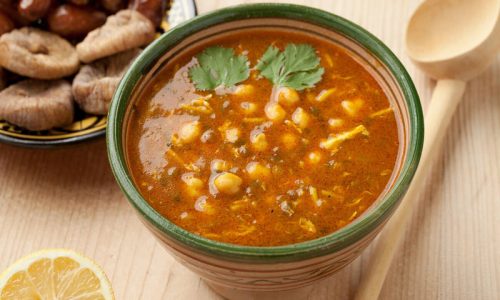
Harira is a fragrant Moroccan soup, hearty enough to be a meal on its own.
Ingredients: Tomatoes, lentils, chickpeas, onions, fresh herbs, meat (lamb or beef optional), ginger, cinnamon, and turmeric.
Significance: Served to break the fast during Ramadan, harira is often paired with dates and chebakia (sweet sesame pastries).
Regional Touches: Northern Morocco may include more tomato and feather spices, while southern recipes are richer and spicier.
5. Mechoui
Mechoui is a celebration dish—slow-roasted lamb that melts in the mouth.
Ingredients & Preparation: Whole lamb, seasoned with cumin, peppers, garlic, and salt. Traditionally roasted in a sand pit or open fire for several hours.
Cultural context: Served during weddings, religious festivals, and large family gatherings. Guests tear pieces directly from the roasted lamb, emphasizing communal eating.
Flavor profiles: Smoky, tender, and rich, with a deep flavor from the slow-roasting method.

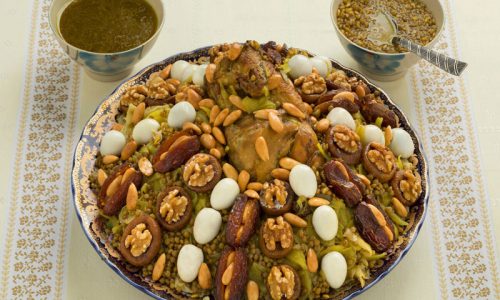
6. Rfissa
Rfissa is a traditional dish often associated with special occasions and family gatherings.
Ingredients: Shredded msemen or rghayef flatbread, chicken, lentils, fenugreek seeds, onions, garlic, and a mix of spices including saffron and turmeric.
Preparation: Chicken and lentils are simmered with spices and broth, then poured over shredded flatbread to soak up the flavors.
Cultural Significance: Often served after childbirth or during religious ceremonies to honor guests and family traditions.
7. Mint Tea & Moroccan Pastries
No Moroccan meal is complete without mint tea and pastries—a ceremonial and social tradition.
Mint Tea: Green tea brewed with fresh mint leaves and generous sugar, poured from height to aerate and create a frothy top. Known as the “Moroccan whisky,” it’s a gesture of hospitality.
Pastries:
Chebakia: Deep-fried sesame cookies coated in honey, popular during Ramadan.
Briouats: Thin pastry triangles filled with almond paste, honey, or meat.
Ghoriba: Simple yet flavorful almond or coconut cookies.
Cultural Role: Tea and sweets are served to welcome guests, at social gatherings, and as part of daily rituals, showcasing Morocco’s warmth and hospitality.

Regional Specialties
Understanding Morocco Most Iconic Dishes also means recognizing the rich regional diversity of Moroccan cuisine. Each area offers unique flavors, ingredients, and culinary traditions shaped by geography, climate, and history.
1. Northern Morocco (Tangier, Chefchaouen, Tetouan)
Characteristics: Light, fresh, and Mediterranean-inspired cuisine. Heavy use of seafood, olive oil, citrus, and fresh herbs.
Iconic Dishes:
Grilled fish and seafood tagines seasoned with preserved lemons and local spices.
Bastilla variations with seafood instead of traditional poultry.
Culinary Influence: Mediterranean trade routes introduced olive oil, citrus fruits, and seafood-forward recipes.
2. Central Morocco (Fes, Meknes, Rabat)
Characteristics: Rich, spiced, and complex flavors. Known for slow-cooked meats, pastries, and ceremonial dishes.
Iconic Dishes:
Pastilla (chicken or pigeon version) reflecting centuries-old culinary refinement.
Harira and Rfissa, often associated with religious and family celebrations.
Couscous with seven vegetables, a symbol of prosperity and community.
Cultural Context: Central Morocco, with its imperial cities, has preserved traditional recipes passed down through generations.
3. Southern Morocco (Marrakech, Agadir, Sahara regions)
Characteristics: Bold and hearty flavors, often incorporating dried fruits, nuts, and spices. Cooking methods adapt to desert life, with slow roasting and braising being common.
Iconic Dishes:
Tagines with lamb, prunes, and almonds, reflecting the sweet-and-savory balance.
Mechoui, traditionally roasted for large gatherings.
Couscous with dried fruits, showing the Saharan influence on southern cuisine.
Cultural Notes: In the desert and southern regions, communal meals emphasize hospitality, with dishes often prepared for large groups and celebrations.
4. Coastal Influence
Throughout Morocco’s long coastline, seafood dominates. Cities like Essaouira and Agadir feature dishes such as fish tagines, grilled sardines, and seafood couscous, often prepared with lighter spices and fresh herbs.
Coastal cuisine highlights the abundance of fresh ingredients while maintaining the traditional Moroccan flair of spices and slow-cooked sauces.
Where to Try These Dishes
If you want to experience Morocco Most Iconic Dishes in their authentic form, knowing where to taste them is just as important as knowing what they are. Morocco offers a wide range of dining experiences—from bustling street food stalls to elegant riads and traditional family-run restaurants.
1. Street Food & Local Markets
Medinas and Souks: Cities like Marrakech, Fes, and Essaouira are filled with vibrant markets where locals prepare dishes in open-air stalls.
What to try:
Harira during Ramadan evenings.
Grilled sardines and seafood in coastal markets.
Quick tagine dishes served in small clay pots.
Experience: Street food offers the most immersive culinary experience, where you can watch the cooking process and interact with local chefs.
2. Traditional Moroccan Restaurants
Riad restaurants and family-run eateries provide a more formal experience of Moroccan cuisine.
What to try:
Pastilla in Fes or Meknes.
Couscous with seven vegetables on Fridays in central Morocco.
Mechoui during celebrations in southern Morocco.
Tip: Look for places where locals dine—they often indicate authenticity and quality.
3. Luxury Riads and Hotels
Many luxury accommodations in Marrakech, Casablanca, and Rabat feature traditional Moroccan dishes with modern presentation.
What to try:
Fusion tagines that combine classic recipes with contemporary flavors.
Moroccan pastries and mint tea served as part of the cultural experience.
Experience: Ideal for travelers who want authentic flavors in a comfortable setting with refined presentation.
4. Cooking Classes & Culinary Tours
Hands-on experience: Join a cooking class in Marrakech or Fes to prepare your own tagine, couscous, or pastilla.
Culinary tours: Guided tours through medinas and markets help travelers learn about local ingredients, spices, and traditional cooking techniques.
Benefit: You gain not only a taste but also knowledge about how Morocco Most Iconic Dishes are created from scratch.
Exploring these locations ensures that your journey through Moroccan cuisine is both authentic and memorable. From casual street food to elaborate family meals, Morocco’s culinary landscape offers something for every taste and budget.
Conclusion
Exploring Morocco Most Iconic Dishes is more than just a culinary adventure—it’s a journey into the heart of Moroccan culture, history, and tradition. From the slow-cooked richness of a tagine to the delicate layers of a pastilla, each dish tells a story of regional diversity, family heritage, and centuries-old cooking techniques.
Whether you’re hiking the bustling souks of Marrakech, savoring fresh seafood along the northern coast, or enjoying a ceremonial cup of mint tea in a riad, Moroccan cuisine offers flavors and experiences that are impossible to forget. The combination of aromatic spices, fresh ingredients, and thoughtful preparation makes every meal an opportunity to connect with the people and history of Morocco.
For travelers and food enthusiasts like, understanding and tasting Morocco Most Iconic Dishes is an essential part of any Moroccan journey. Whether you try them in a local market, a traditional restaurant, or even in a cooking class, these dishes provide a true taste of Moroccan hospitality and creativity.
So, embargo on this culinary journey, explore the vibrant flavors, and experience the magic of Moroccan cuisine for yourself. Your button buds—and your memories—will thank you.
Plan Your Trip with Confidence
Ready to explore Morocco Most Iconic Dishes for yourself? Plan your culinary trip by visiting local markets, street food stables, and traditional restaurants across Morocco. You can also try recreating famous dishes like tagine, couscous, and pastilla at home, or book a cooking class or guided food tour to learn directly from Moroccan bosses. Don’t just read about the flavors—experience the magic of Moroccan cuisine today!
Discover Morocco Most Iconic Dishes and embark on a culinary adventure today with just one CLICK!
