
Imagine the sun setting over the medina of Fes. You hear strings pluck a melody that echoes across centuries. This is Andalusian music in Morocco—a living link to the golden age of Al-Andalus. Born from the Moorish rule in southern Spain, it blends Arab rhythms, Sephardic chants, and Berber flair. Today, it pulses through Morocco’s streets and stages. At its core sits the nuba, a structured suite of songs and instrumentals that builds from slow introspection to joyful peaks. These tunes draw crowds in cities like Fes and Tangier. They remind us how music bridges borders. If you love cultural sounds, these ensembles will pull you in deep.
Defining Modern Andalusian Music in the Moroccan Context
The Evolution from Historical Maqamat to Contemporary Performance
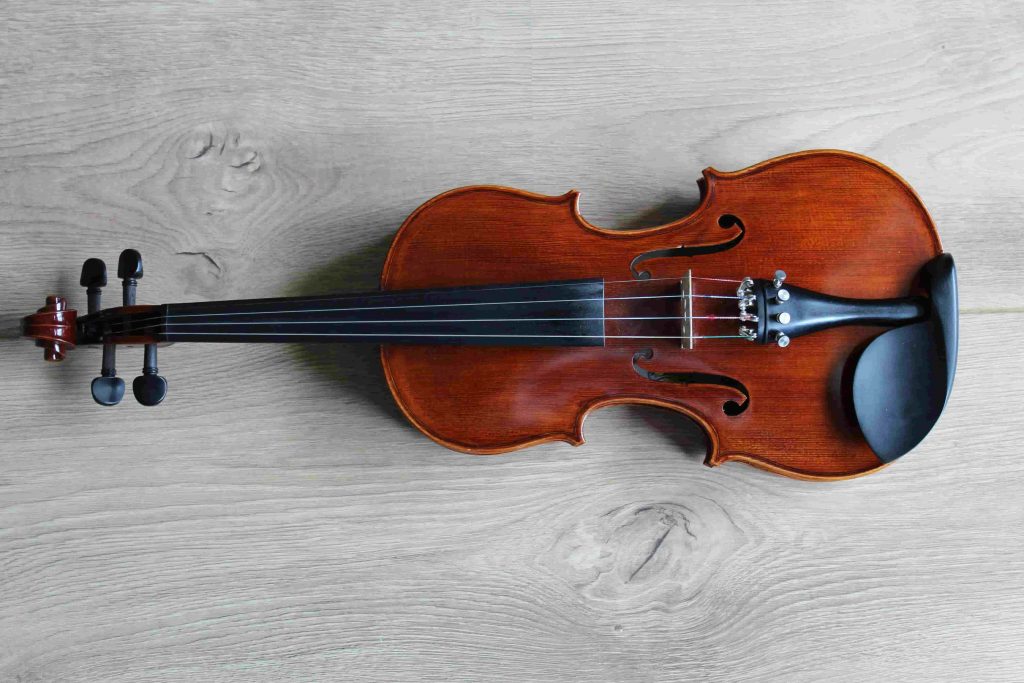
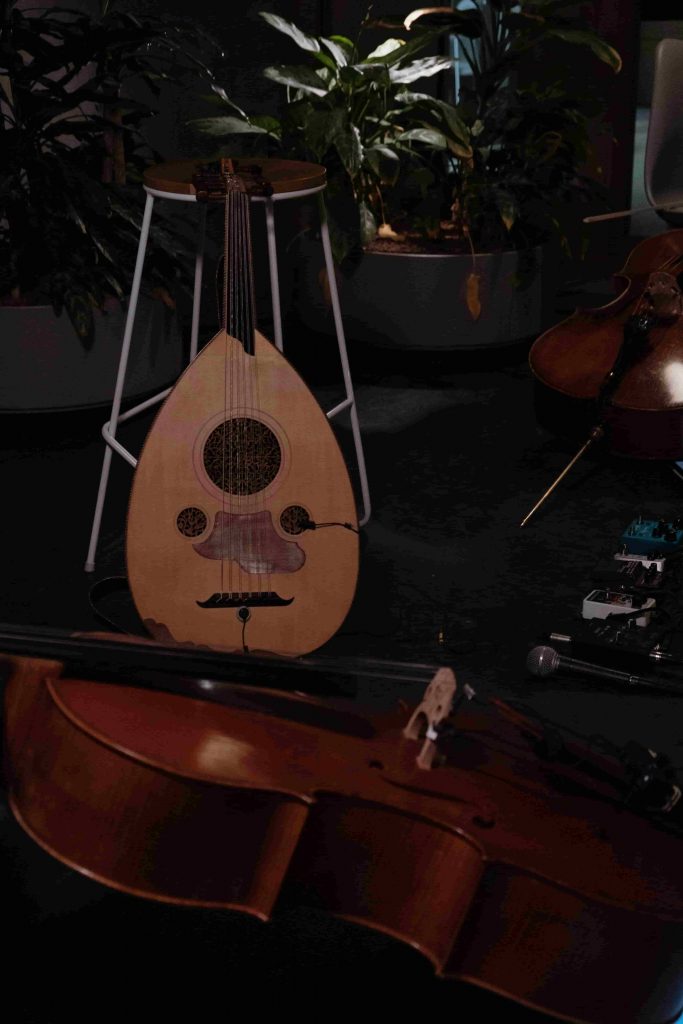
Andalusian music roots trace back to medieval courts in Granada and Seville. Back then, poets and players used maqamat—melodic modes—to craft complex tunes. Now, in Morocco, it adapts to new ears. Groups keep the old forms but add fresh twists for today’s listeners. Key tools include the oud, a pear-shaped lute that leads melodies. The qanun, a zither, adds shimmering layers. And the rabab, a spiked fiddle, brings sharp cries. In places like Fes and Rabat, performers shift from palace halls to public spots. This change keeps the music alive and kicking.
Key Ensembles and Their Regional Specialties
Morocco splits this tradition into styles by city. Fes owns the Fassi way—slow, deep, and text-heavy. Tetouan leans vocal, with twists that feel more lively. Tangier mixes it all, thanks to its spot near Spain. Each spot breeds unique groups. Fes ensembles focus on full orchestras. Northern ones highlight singers. These differences make every show a new adventure. You spot the specialties in how they handle a nuba’s parts—from overture to finale.
The Role of Moroccan Cultural Institutions in Preservation
Government bodies step up to save this heritage. The Ministry of Culture funds training spots across the country. Festivals like the Fes Festival of World Sacred Music pull in global crowds each June. Conservatories in Rabat teach kids the ropes on traditional gear. These efforts ensure the sounds don’t fade. Stats show over 500 young players train yearly in state programs. Without them, the maqamat might slip away. They also host workshops that blend old and new.
Fes: The Heartbeat of Classical Andalusian Orchestras
Orchestre Al-Moussilia: Custodians of the Fassi Tradition
In Fes, Orchestre Al-Moussilia stands tall as a top pick. Formed in the 1970s, they guard the Fassi style with care. Their shows fill the air with nuba like Al-Ishq—tales of love in verse and string. Led by violin master Ahmed El-Fassi, they mix precision with heart. You feel the history in every note. They perform at local theaters twice a month. Crowds love their full setup: ten violins, ouds, and percussion that builds tension just right.
This group has played for kings and common folk alike. Their recordings sell out fast online. If you visit Fes, catch them during evening slots. They keep the Fassi purity— no big changes, just solid craft.
Emerging Talents in Fes’s Conservatory Scene
Young blood keeps Fes fresh. Groups from the city’s music school, like Ensemble Jeunes Nubas, mix in subtle modern beats. They stick to core rules but add light percussion nods to gnawa styles. Students here graduate with skills in qanun and voice. One rising star, singer Layla Benali, leads small sets that draw young fans. Her takes on nuba Al-Maya feel urgent yet true.
To see them live, head to the conservatory’s open nights. They happen most Fridays in spring. Book ahead; spots fill quick. These acts show how the tradition grows without losing roots. It’s a great way to spot future stars up close.
Rabat and Casablanca: Modern Interpretations and Crossover Projects
Ensemble Al-Hayat: Bridging Tradition and Innovation
Rabat’s Ensemble Al-Hayat shakes things up. Known for TV spots on national channels, they fuse Andalusian lines with jazz horns. Their nuba takes, like Al-Sika, get a cool edge from added drums. Founder Karim Souissi, an oud whiz, drives their sound. They’ve teamed with French artists for sold-out gigs. In Casablanca, they play big halls that hold 500 fans.
This crew proves old music can vibe with now. Their albums top local charts, with over 10,000 streams monthly. Catch a show, and you’ll hear how they pull crowds from all walks.
The Influence of Sufi Mysticism on Andalusian Presentation
Big cities like Rabat weave in Sufi touches. Ensembles use sama sessions—spiritual listens—to deepen shows. During Ramadan, they chant verses that lift the soul. This mix adds mystery to the maqamat. Groups perform in mosques or gardens, where light fades soft. It turns a simple nuba into a prayer-like flow.
Sufi links show in vocal runs that echo whirling dervishes. Fans say it hits different—calm yet electric. In Casablanca, these acts draw seekers from afar.
Northern Voices: The Unique Sound of Tetouan and Tangier
The Tetouani School: Intricacy and Vocal Dominance
Tetouan’s style shines with detail and strong voices. Unlike Fes’s steady pace, Tetouani twists melodies in tight patterns. Singers lead, backed by light strings. The Ensemble Tradition Tetouani captures this best. Led by vocal great Mohammed El-Mejjati, they nail nuba Al-Hijaz with flair. Their shows highlight gharnati roots—close to old Granada tunes.
This school feels more playful, with quick shifts that keep you hooked. Locals pack venues to hear the vocal power. It’s a must for fans of intricate lines.
Cross-Strait Connections: Ensembles Bridging Morocco and Spain
Northern groups link arms with Spanish players. The Tangier-based Duo Al-Andalus tours flamenco spots in Andalusia. They share nuba roots with guitar strums. A big collab happened in 2024: Moroccan oud meets Spanish violin in a Seville fest. Groups like these swap ideas yearly.
These ties heal old divides. Performers cross the strait for joint albums. It shows the music’s shared blood. In Tangier cafes, you might catch a preview gig.
Actionable Guide: Experiencing Top Andalusian Music Live in Morocco
Identifying Key Annual Festivals for Authentic Performances
Plan your trip around big events. The Fes Festival of World Sacred Music runs in late June. It features ensembles like Al-Moussilia in sacred spots. Expect nuba suites under stars. Another gem: Tetouan’s Andalusian Nights in August. Northern groups shine there with vocal sets.
The Rabat International Festival hits in May. Crossovers like Al-Hayat take the stage. These draw 20,000 visitors each year. Check dates online; they shift a bit.
Navigating Venues: From Grand Theatres to Intimate Riads
Big theaters offer polish. In Fes, the Cinema Babel hosts Orchestre Al-Moussilia with lights and seats for 300. The vibe is grand, focused on full nubas. For close feels, try riads—old homes turned spots. In Tetouan, Riad Al-Andalus holds small shows in courtyards. Here, singers chat with you; repertoire stays short and sweet.
Riads suit first-timers; theaters for deep dives. Both run evenings, tickets under 10 dollars. Walk the medina to find hidden gems.
How to Support the Preservation Efforts of These Groups
Help keep it going. Buy CDs from spots like Al-Moussilia’s site—funds go to training. Join masterclasses in Fes conservatories; they cost little and teach basics. Donate to the Moroccan Music Heritage Foundation online.
Attend fundraisers during festivals. Your support aids young players. It’s easy and makes a real mark.
Conclusion: The Unbroken Thread of Andalusian Legacy
Andalusian music thrives in Morocco’s heart. From Fes’s deep roots to Tangier’s bold links, ensembles like Orchestre Al-Moussilia and Ensemble Al-Hayat carry the flame. They blend history with fresh air, drawing you into a world of strings and songs. This art anchors national pride and invites all to join.
Key points? Styles vary by city, from vocal Tetouani to fused Rabat sounds. Shows are easy to catch at festivals or riads. Dive in—grab tickets for your next trip. You’ll leave with echoes of Al-Andalus in your step. Support these groups; they weave tomorrow’s tunes today.
