
Imagine the steam rising from a silver teapot. It carries a fresh mint scent that fills the room. You watch as hot tea pours from high above, foaming lightly in the glass below. This is Moroccan mint tea, or atay bena’na. It’s more than a simple drink. In Morocco, it binds people together. It shows warmth and welcome. Tea flows through daily life, from quiet homes to busy markets. Green tea arrived in the 19th century via trade routes from China. It blended with local herbs and customs. Now, it’s the heart of Moroccan culture. This article uncovers the rituals, the culture, and the steps behind the Moroccan tea ceremony. You’ll learn why this tradition lasts.
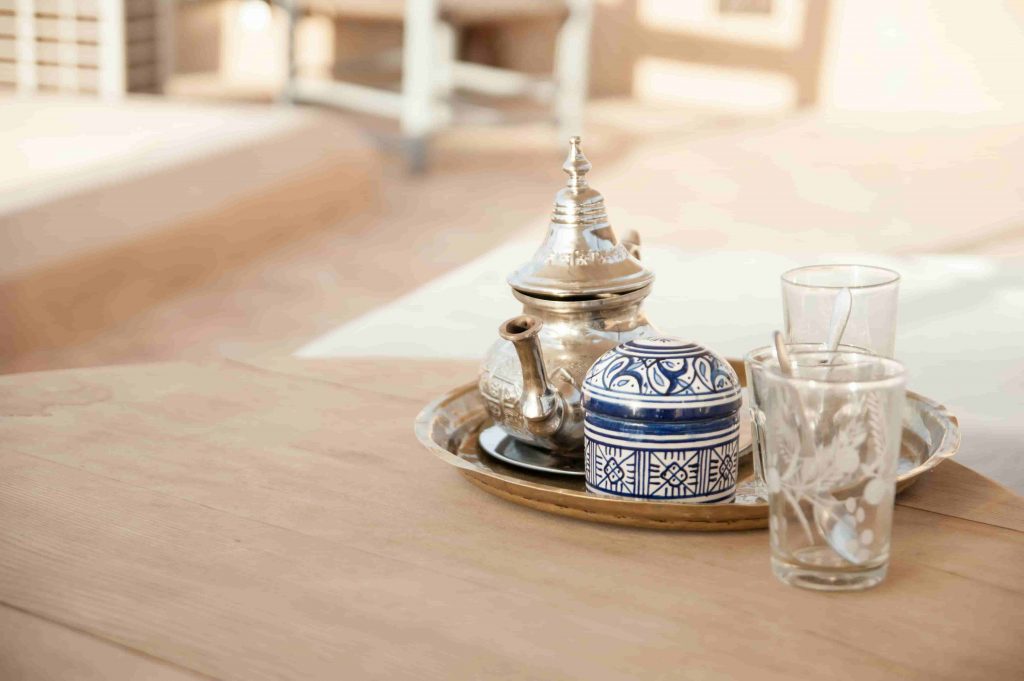
The Sacred Ingredients: Crafting Authentic Moroccan Mint Tea (Atay Bena’na)
Moroccan mint tea starts with simple parts. Yet each one matters. The mix creates a balance of bitter, sweet, and fresh notes. People call it the “whiskey of the Arabs” for its warmth and draw. Let’s break down what goes into this beloved brew.
Selecting the Base: Traditional Gunpowder Green Tea
Gunpowder green tea forms the backbone. This Chinese variety looks like tiny pellets. They roll tight, like old bullets. When steeped, they unfold and release a strong flavor.
Quality counts here. Cheap tea turns bitter fast. Look for fresh leaves with a silvery look. High-grade ones give a smooth base. It lets mint shine without overpowering.
In Morocco, families buy loose tea from markets. A pound lasts weeks for daily pours. This base sets the stage for the full taste profile.
The Essential Herb: Fresh Spearmint and its Variations
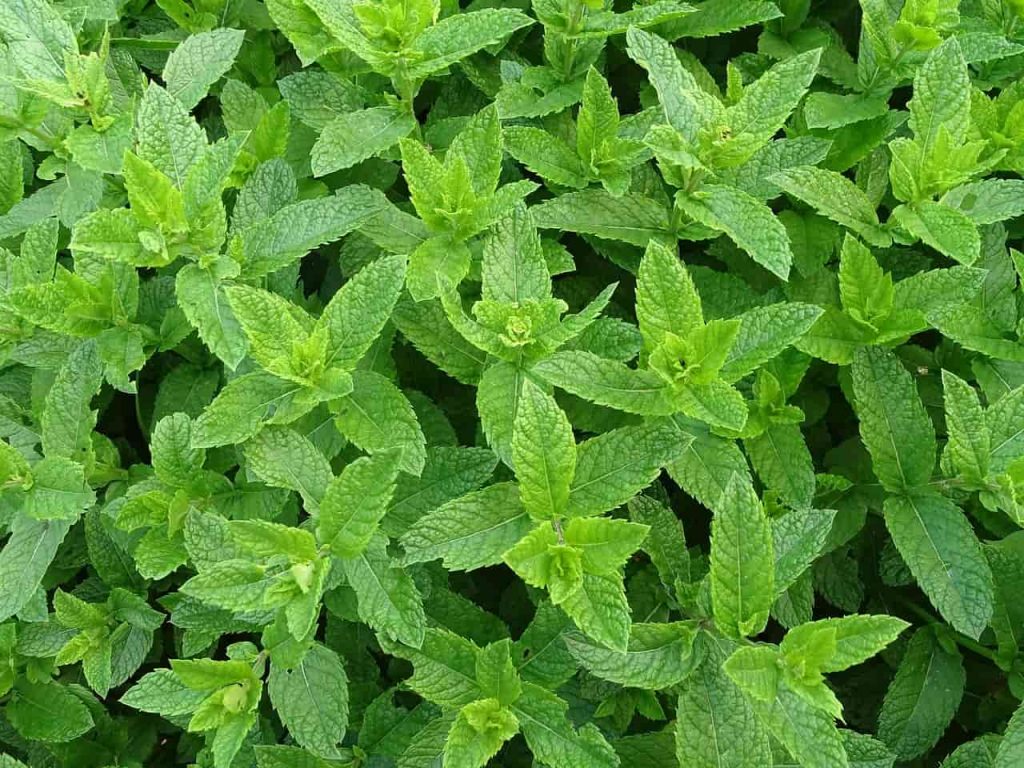
Fresh spearmint, or nanah, brings the star aroma. Its leaves pack a cool, sharp scent. Pick bunches just cut that morning. Wilted ones lose punch.
Bruise the leaves lightly before adding. This releases oils for better infusion. The result? A bright green hue and lively taste.
Some regions tweak it. Wormwood adds a bitter edge in the mountains. Verbena offers a floral note near the coast. These changes show local twists on the classic Moroccan mint tea recipe.
Sweetness and Balance: Sugar’s Role in the Ceremony
Sugar plays a big part. Locals use lots—up to ten lumps per glass. It cuts the green tea’s edge. More than that, it signals generosity.
In homes, the host adds sugar first. This “kiss” sweetens the deal. It makes guests feel valued.
Today, some cut back. Health trends push for less sweet. Yet tradition holds. You can adjust at home, but keep the spirit alive.
The Ritual Unveiled: Stages of the Traditional Tea Ceremony
The Moroccan tea ceremony feels like a dance. Each step builds respect and care. It’s not rushed. Friends gather around, chatting as the pot brews. This process turns leaves into a shared moment.
Step 1: The Cleansing Rinse (Washing the Leaves)
Begin with the rinse. Boil water first—fresh from the tap. Pour a bit into the berrad, the metal teapot.
Add a handful of gunpowder tea. Let it steep for just a minute. Then, pour it out. This washes away dust and extra bitterness.
The leaves wake up now. They swell and ready for the real brew. Skip this, and your tea tastes off.
Step 2: The Infusion and the “Kiss” of the Sugar
Now, build the mix. Refill the pot with boiling water. Toss in fresh spearmint sprigs. Add sugar cubes—generous amounts.
Let it sit. Five to ten minutes works best. Too short, and flavors stay flat. Too long, and it turns strong like medicine.
Stir once. The sugar melts in, blending sweet with herbal notes. This step seals the infusion’s heart.
Step 3: The High Pour—Mastering the Aeration Technique
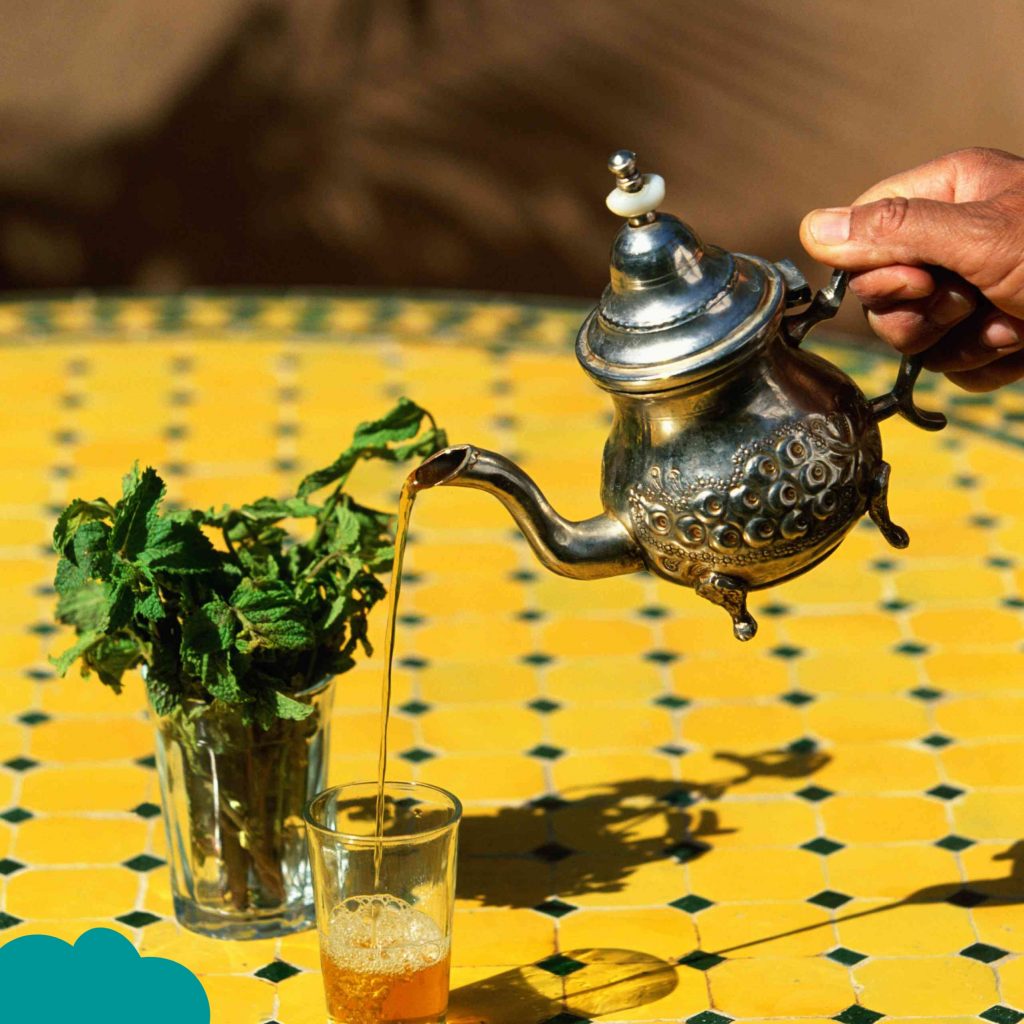
The pour is the show. Hold the teapot high—about two feet up. Angle it just right for a thin stream.
Pour into small kessan glasses. The drop aerates the tea. It mixes air, creating a frothy “eye” on top.
Why bother? The foam locks in freshness. It cools the hot liquid fast. Practice this for the perfect Moroccan tea pour. It impresses every time.
Cultural Significance: Tea as the Language of Moroccan Hospitality
Tea speaks volumes in Morocco. It opens doors and hearts. No visit ends without it. This custom roots deep in daily bonds.
The Three Servings Rule: Hospitality and Meaning
Serve tea in three rounds. Each glass tells a story. The first is mild, like life’s easy start. The second grows bold, much like love’s fire. The third bites back, hinting at death’s end.
This rule comes from an old saying. It reminds us life changes. Refuse the offer? It feels like turning down friendship.
Guests sip slow. The host refills without asking. This flow builds trust.
Gender Roles and Preparation Authority
Men often lead the pour in formal spots. As head of the house, they show skill. But everyone learns the art. Women handle it in kitchens or casual times.
In cities now, roles blur. Young folks share the task. It’s a skill passed down, no matter who holds the pot.
The pour tests patience. A steady hand earns nods. It levels the group.
Tea in the Marketplace and Home
Markets buzz with tea. In Marrakech souks, shop owners brew pots. They offer glasses to draw you in. One sip, and talks start—about rugs or spices.
At home, it’s family glue. After meals, elders pour. Kids watch and learn. Even in tough times, tea comforts.
One stat stands out: Moroccans drink over a liter per person daily. That’s a lot of connection in every cup.
Regional Variations and Modern Adaptations
Morocco spans deserts and seas. Tea shifts with the land. From hills to cities, flavors adapt. Yet the core ritual stays true.
Berber vs. City Styles: Subtle Flavor Differences
Berber folk in the Atlas Mountains use less sugar. They add absinthe for a wild bite. It’s earthier, tied to shepherd life.
City teas, like in Casablanca, lean sweeter. More mint dominates. Urban hustle calls for quick, bright sips.
These differences highlight roots. Rural pours feel slower. Coastal ones mix global touches.
Modern Tools and Techniques
Charcoal fires once heated water. Now, electric kettles speed things up. They keep the boil steady without smoke.
Pre-made blends pop up in stores. They save time but lack fresh snap. Purists stick to loose leaves.
Tech helps, yet hands-on stays key. The high pour? That’s timeless.
Actionable Tip: Preparing Tea for Guests Like a Local Host
Want to host like a Moroccan? Follow these steps. You’ll nail the basics.
- Boil fresh water. Use a stove or kettle—hot but not scorching.
- Rinse the tea leaves in the pot. Discard the first pour quick.
- Add mint, sugar, and more water. Steep covered for eight minutes.
- Pour from height into glasses. Aim for foam each time.
- Serve three rounds. Chat and refill. Let the moment linger.
These tips bring authenticity home. Practice builds the flow.
Conclusion: The Enduring Legacy of Atay Bena’na
Moroccan mint tea weaves history, welcome, and craft. From gunpowder base to high pour, each part honors tradition. It turns strangers into friends.
The ritual teaches balance—sweet against bitter, like life itself. In a busy world, it slows us down. Master the Moroccan tea ceremony, and you hold a slice of culture.
Next time company comes, brew a pot. Feel the warmth spread. What’s stopping you from trying that high pour today?
