
Dust swirls under your feet as you step into Jemaa el-Fnaa in Marrakech. The air buzzes with vendors’ calls, donkey carts’ creaks, and the sizzle of grills. Spices tease your nose—cinnamon’s warmth, cumin’s earthiness, saffron’s subtle floral hint. This square pulses as Morocco’s food heart. Markets like this shape daily life and feasts. You feel the pull of flavors that have lasted centuries.
In this guide, we explore the core of Moroccan eats. Spices form the base, adding depth to every dish. Sweets bring joy with nuts and honey. Street foods offer quick tastes of tradition. Get ready to uncover these gems. You’ll learn how they tie into history and how you can bring them home.
The Aromatic Heartbeat: Decoding Moroccan Spices
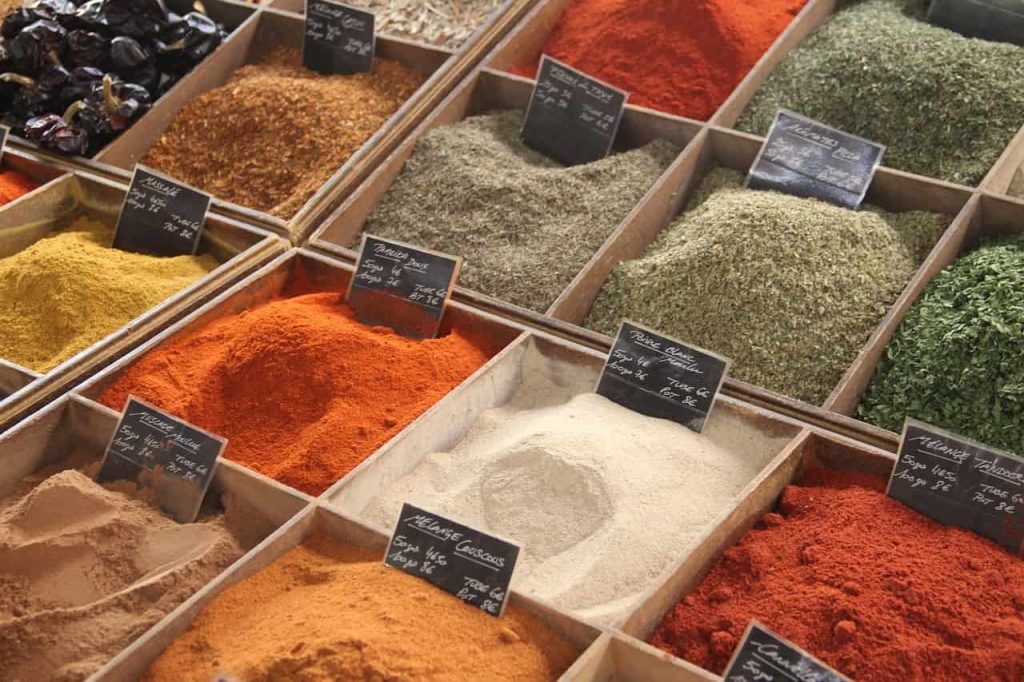
Spices drive Moroccan cooking. They do more than add taste. These blends carry stories from trade routes that linked Africa, Europe, and Asia. In markets, piles of colorful powders draw crowds. Each stall holds secrets to tagines and couscous. Without them, Moroccan food loses its soul.
Think of spices as the rhythm of a meal. They build layers, from smoky to sweet. You can smell history in every pinch.
The Master Blend: Understanding Ras el Hanout
Ras el Hanout sits at the top of Moroccan spices. Its name means “head of the shop.” Vendors mix it fresh, so no two batches match exactly. Some packs hold 20 ingredients. Others push past 30. This mix turns simple stews into feasts.
Key parts include cardamom for floral notes, clove for punch, cinnamon for warmth, and turmeric for color. Use it in tagines with lamb or chicken. It also lifts couscous with veggies. A dash brings earth and heat. Families pass down recipes, keeping the blend alive.
Saffron, Cumin, and Paprika: The Essential Trio
These three spices star in most Moroccan kitchens. Saffron comes from Taliouine, a town known for its red gold. Farmers hand-pick the threads from crocus flowers. It costs a lot but adds a golden hue and subtle taste to rice or fish.
Cumin offers bold, nutty warmth. Toast it lightly for extra pop in meats. Paprika varies by type. Sweet paprika from Marrakech suits mild stews. Smoked versions add depth to grilled items. Spot real quality in whole pods, not dusty ground stuff. Fresh ones keep oils locked in.
Navigating the Spice Stalls: Tips for Buying
Walk the spice rows with care. Look for vibrant colors and strong scents. Buy whole spices—they stay fresh longer. Grind them at home with a mortar for peak flavor.
Negotiate with a smile. Start at half the asked price. Ask the seller, “What pairs with lamb?” They might suggest cumin for roasts or saffron for fish. Build rapport. It’s part of the fun.
Check for freshness: Rub a bit between fingers. It should release aroma fast.
Avoid pre-mixed if you’re new. Pick singles to blend yourself.
Carry a small bag for samples. Taste before you buy.
Sweet Temptations: A Glimpse into Moroccan Patisserie
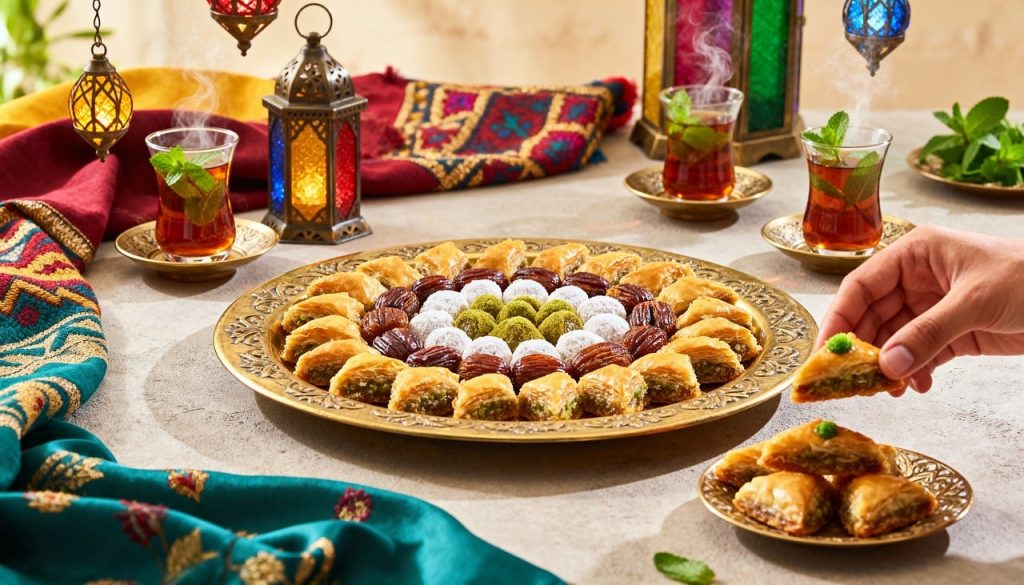
Moroccan sweets tempt with crunch and drip. They mix nuts, honey, and pastry in ways that feel like a hug. These treats mark welcomes and holidays. Almonds and honey rule here, drawing from old Berber ways.
Ever wonder why sweets feel so tied to joy? In Morocco, they share sweetness like stories. Pastries fill homes during Ramadan. They balance spicy mains with pure bliss.
Honey-Drenched Delights: Chebakia and Briouats
Chebakia shines as a honey-soaked star. Bakers twist dough with sesame, then fry it crisp. A bath in honey and anise follows. It crunches outside, sticks inside. During Ramadan, it breaks the fast with energy. Families make batches that last weeks.
Briouats offer a twist. These triangles flake with buttery layers. Sweet ones pack almond paste scented with orange flower. Savory types hide spiced meat. Both fry quick and pair with tea. They show sweets’ range—from simple to stuffed.
The Art of Mint Tea and Almond Cookies
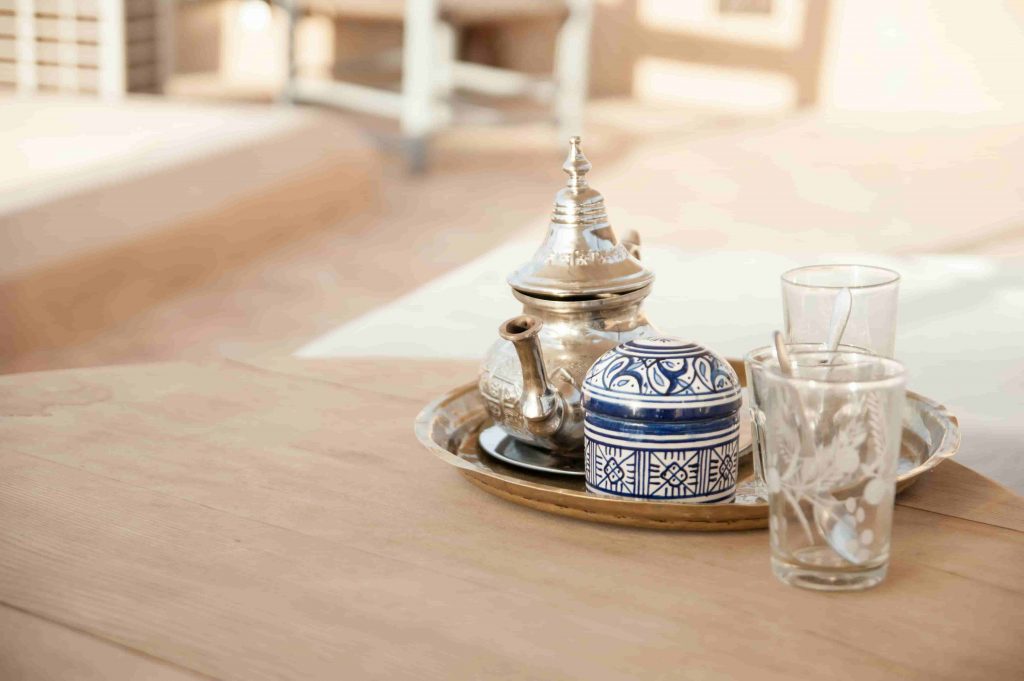
Mint tea, or Atay, flows like a ritual. It’s “Berber whiskey” for its comfort. Brew green tea with fresh mint and sugar. Pour high to foam it up. Sip it slow with guests.
Almond cookies add to the scene. Fekkas bake twice for that hard bite, like Italian biscotti but with Moroccan flair. Slice them thick, dunk in tea. Orange blossom water scents many pastries. It gives a fresh, floral lift. Try it in shortbread for home bakes.
- Prep tip: For Fekkas, mix almonds, flour, and anise. Bake, slice, bake again.
- Tea trick: Use spearmint leaves. They release oils best when bruised.
The Vibrancy of Street Food: Quick Bites from the Kiosks
Sunset hits, and kiosks light up. Street food buzzes with smoke and chatter. You grab bites hot from the pan. These eats fuel late nights in busy squares. They’re cheap, fast, and full of life.
What makes street food so alive? It’s cooked on the spot, shared with strangers. From skewers to soups, each bite tells a tale.
Savory Staples: Tangia and Mechoui
Mechoui draws crowds with its roast lamb glow. Cooks bury whole sheep in underground pits. Charcoal heats it slow for tender meat. In Marrakech, it serves on Fridays. Pull apart the shoulder, dip in salt.
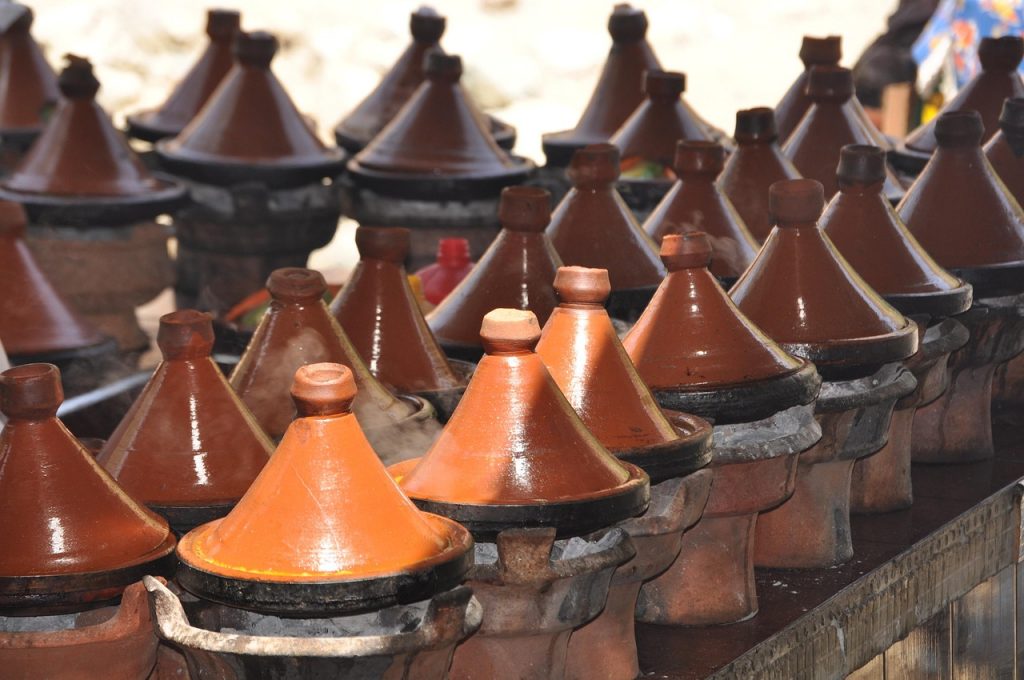
Tangia differs. From Fes, it simmers in clay pots buried in ashes. Season beef with spices, add lemon and olives. Seal and cook overnight. The result melts soft. Regional styles vary—Fes leans herbal, Marrakech more fiery.
Quick, Cheap, and Satisfying: Fritters and Skewers
Need a fast snack? Maakouda fits. Mash potatoes with garlic and cumin. Fry into golden balls. Serve with harissa for kick. It’s a staple for kids and travelers alike.
Brochettes skewer meats or veggies. Marinate in ras el hanout or just salt. Grill over coals till charred. Lamb chunks pair with onions. Chicken gets yogurt spice. Grab a few for under a dollar.
- Varieties: Try merguez sausage skewers for spice lovers.
- Side it: Add bread to sop juices.
The Controversial Classic: Snail Soup (Babbouche)
Snail soup stirs debate. Some love it, others pass. Sold in steaming pots, it’s a winter warmer. Snails cook in broth with thyme, anise, and licorice root. The taste? Herb-heavy, not too snail-y.
Folks say it fights colds. Slurp from bowls in the square. Chat with locals over a helping. It’s social fuel. If you’re bold, dip bread in the spiced liquid.
Beyond the Plate: Sourcing and Shopping Etiquette
Markets give more than food. They teach respect and smart buys. You learn to spot gems and chat right. Take these tips to shop like a local. Bring the haul home for your kitchen.
Identifying Quality Olive Oils and Preserved Lemons
Olive oil flows from Morocco’s groves. Cold-pressed grades shine green and taste fruity. Check labels for “extra virgin.” Drizzle on salads or couscous.
Preserved lemons add tang. Salt cures them in jars for months. Good ones have soft pulp in salty brine. Look for Meknes brands. Chop into tagines for zing.
- Storage: Keep oil in dark bottles. Lemons last a year sealed.
- Use: Rinse lemons before chopping to cut salt.
Mastering the Art of Haggling
Haggle as a game, not a fight. Smile and greet first. Ask the price, then offer low. Meet in the middle.
Know values ahead. A spice sack might run 20 dirhams. Stay friendly—laugh if needed. It’s how bonds form.
Steps to try:
- Spot the item. Eye its quality.
- Chat a bit. Build trust.
- Offer half. Wait for counter.
- Settle happy. Walk if not.
Conclusion: The Lasting Flavor of the Moroccan Market
Moroccan markets wrap you in scents and sounds that linger. Spices like Ras el Hanout build bold bases. Sweets such as Chebakia offer sticky joy. Street foods from Mechoui to Maakouda feed the soul quick.
The balance hits perfect—sweet offsets savory, fresh beats bold. These spots aren’t just shops. They’re where culture simmers. Fresh ingredients matter most. Street energy sparks every bite.
Pack your bags or spice rack. Head to a market, or cook at home. Taste Morocco’s heart. You’ll crave that journey again. What flavor calls you first?
